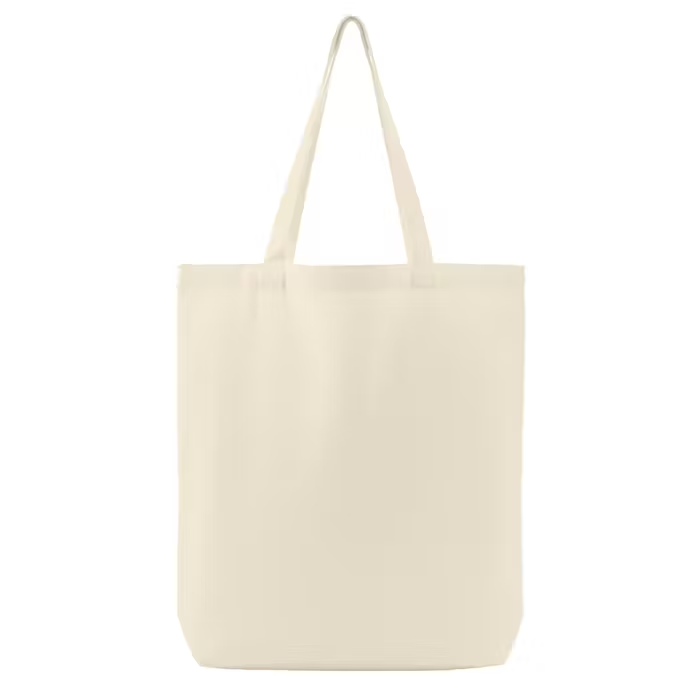
Canvas tote bag

Jute bag
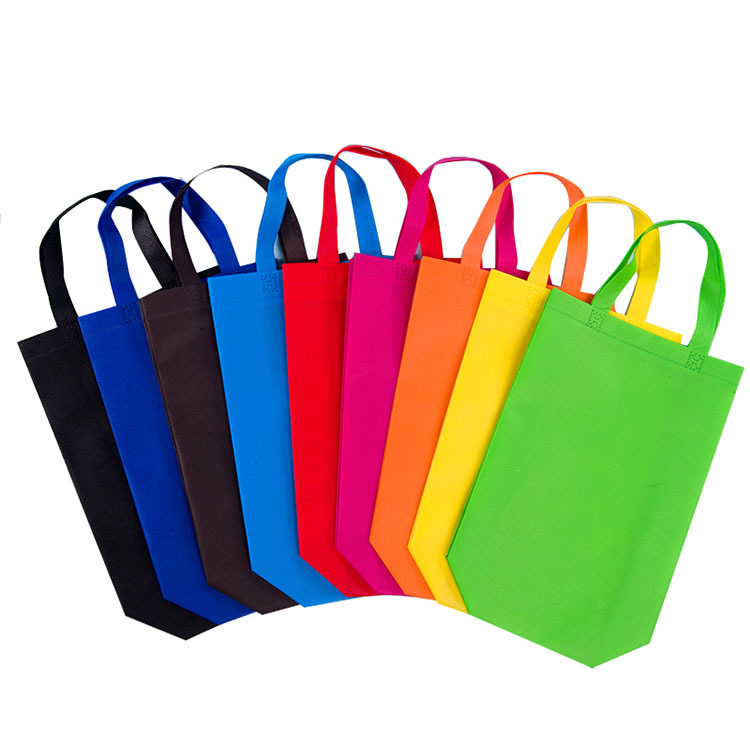
Non-woven bag
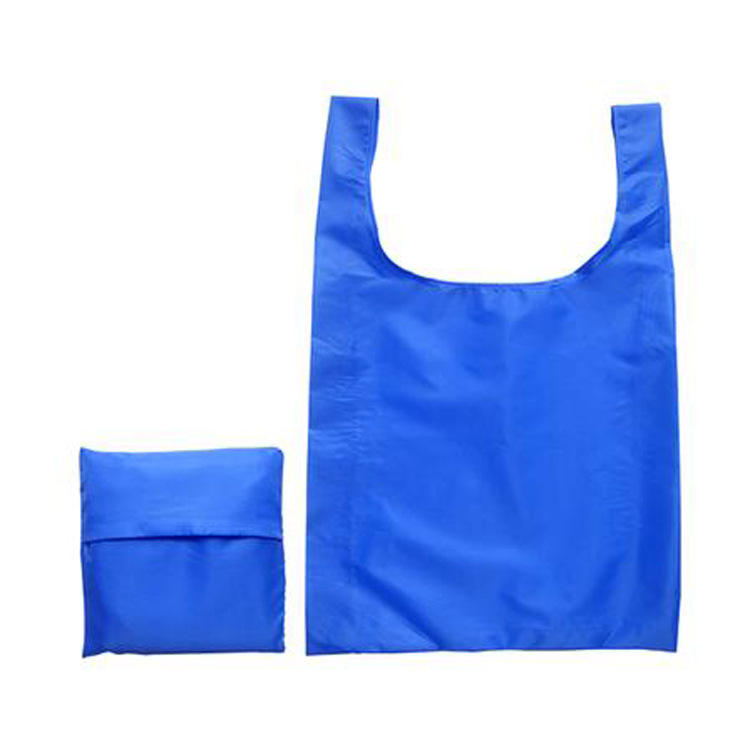
Foldable bag
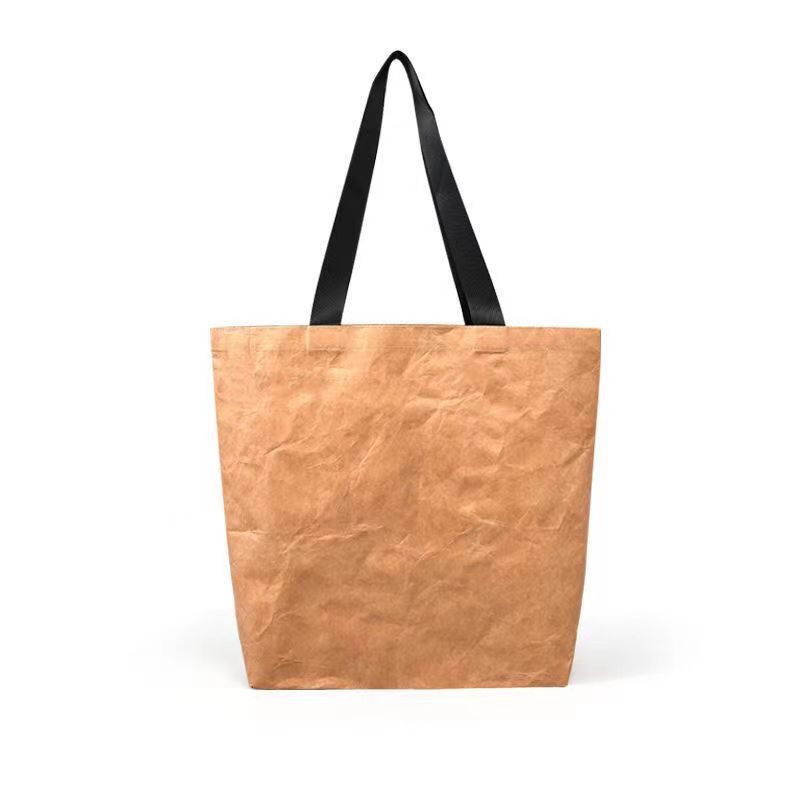
Tyvek bag
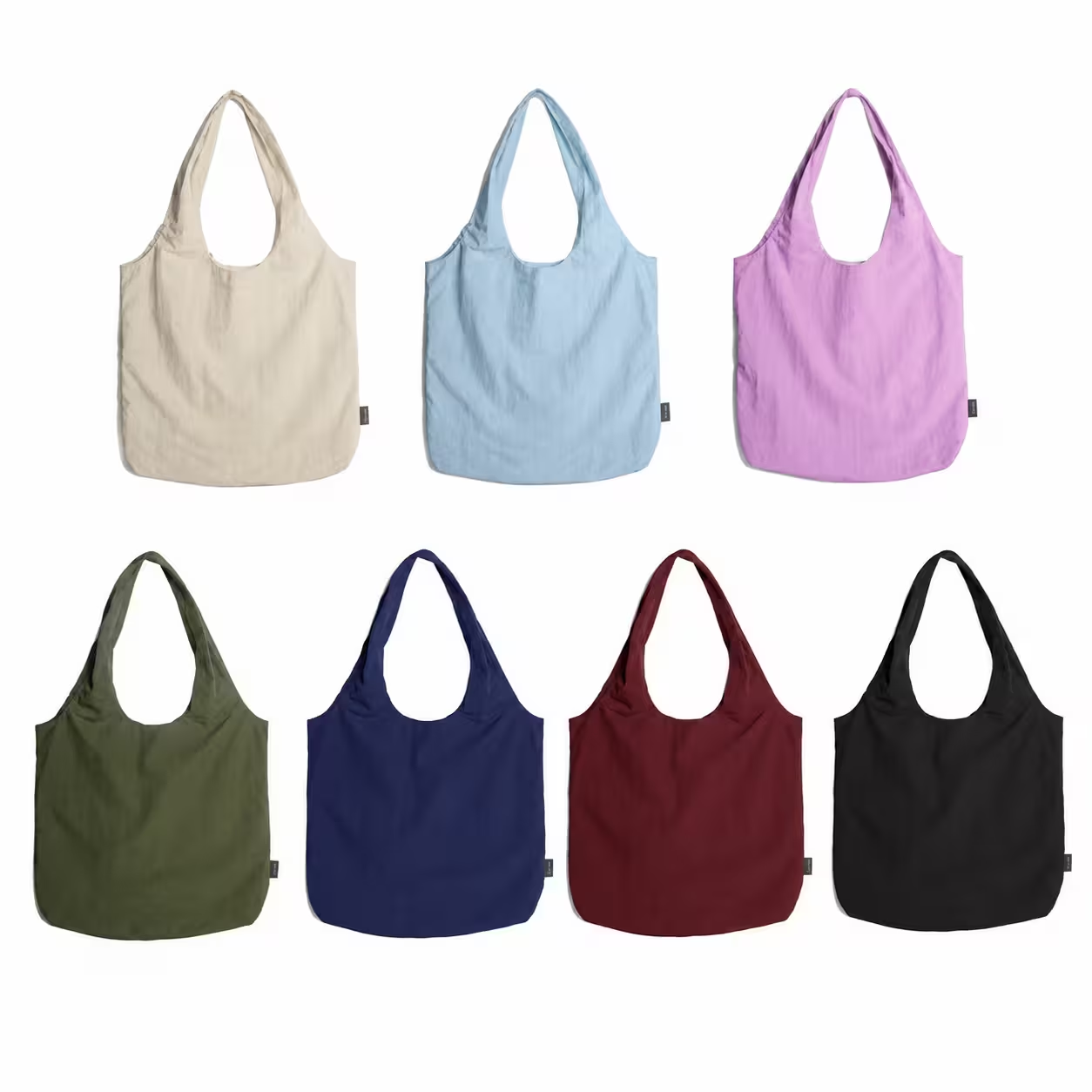
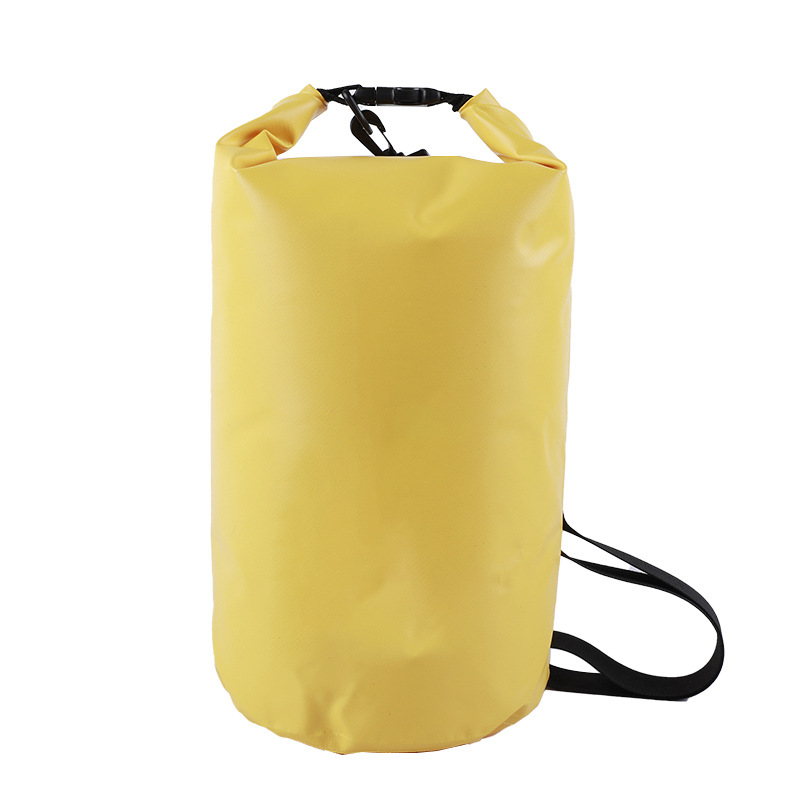
Nylon bag

Corporate gifting is much more than handing out branded merchandise during Christmas or stuffing tote bags with promotional items at a trade show. Done well, it is a powerful way to build relationships, strengthen brand recognition, reward employees, and make your business more memorable!
So, how do you choose gifts that people genuinely want instead of gifts they feel obliged to accept?
Welcome to this ultimate guide to corporate gifting!
Corporate gifting is the practice of giving gifts to clients, employees, business partners, prospects, or other professional contacts to strengthen relationships and communicate appreciation.
But the best corporate gifts do something more subtle. They make people feel valued without making the gesture feel like a sales pitch.
Think about it. A client might forget a dozen sales emails, but a thoughtfully selected gift sitting on their desk can remind them of your company for months.
That is the beauty of a physical gift. Unlike a digital advertisement that disappears with a swipe, a useful item can become part of someone’s everyday life.
Corporate gifts can serve different purposes:
The important thing is to know why you are giving the gift before deciding what to buy.
Otherwise, you risk spending money on something that looks impressive in a catalogue but makes little impression on the recipient.
A gift is a physical reminder of a relationship. It communicates appreciation in a way that a routine business transaction rarely does.
Here are four reasons corporate gifting deserves more thought than simply choosing the cheapest item with an available printing area.
A branded umbrella used during a rainy commute, a water bottle carried to the gym, or a laptop sleeve taken to meetings can expose your brand to people beyond the original recipient.
The key is usefulness. The more naturally an item fits into someone’s routine, the more opportunities there are for your branding to be seen.
A logo on a product that nobody uses, however, has very limited marketing value.
Telling an employee, client, or business partner that you appreciate them is good. Giving them something thoughtful to reinforce that message can make the gesture more memorable.
The gift does not have to be expensive. A carefully chosen item that reflects the recipient’s interests can feel more personal than a luxury gift selected without much thought.
People experience brands through more than advertisements and websites. They also experience them through the quality of the products they receive.
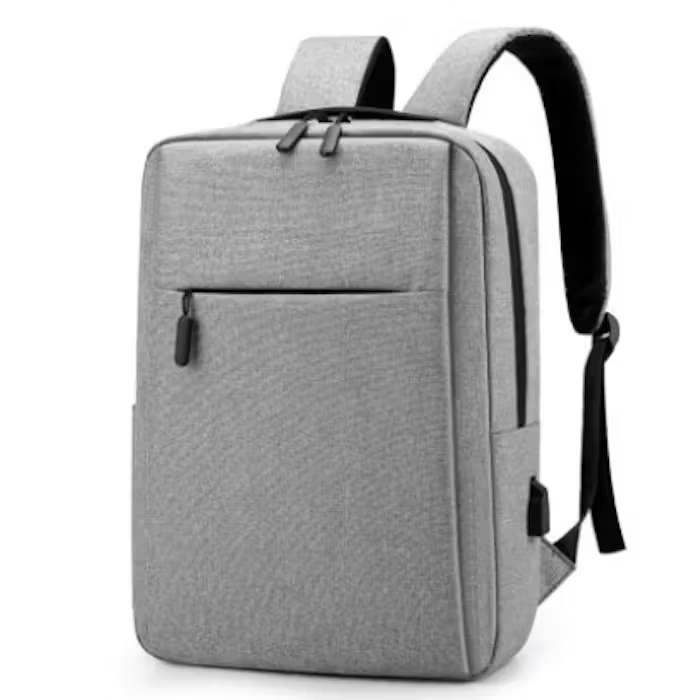
A sturdy backpack or well-made insulated bottle can reflect attention to detail. A flimsy item that breaks after two uses may create the opposite impression.
Your corporate gift is a small sample of your brand experience. Choose accordingly.
Gifts can open conversations, especially at business events. An unusual product, clever design, or locally relevant item gives people something interesting to discuss.
That does not mean every gift needs to be quirky. It simply means a little thought can make your gift more than another item in a conference bag.
There is no universal best corporate gift. The right choice depends on the recipient, the occasion, your budget, and what you want the gift to achieve.
Here are some popular categories worth considering.
Best for: General corporate giveaways, onboarding kits, conferences, and large-scale campaigns.
Everyday essentials are popular because recipients already understand how to use them. They are practical, versatile, and suitable for many industries.
The challenge is differentiation. A standard tote bag may be perfectly useful, but a better material, attractive colour, thoughtful design, or clever packaging can make yours stand out.
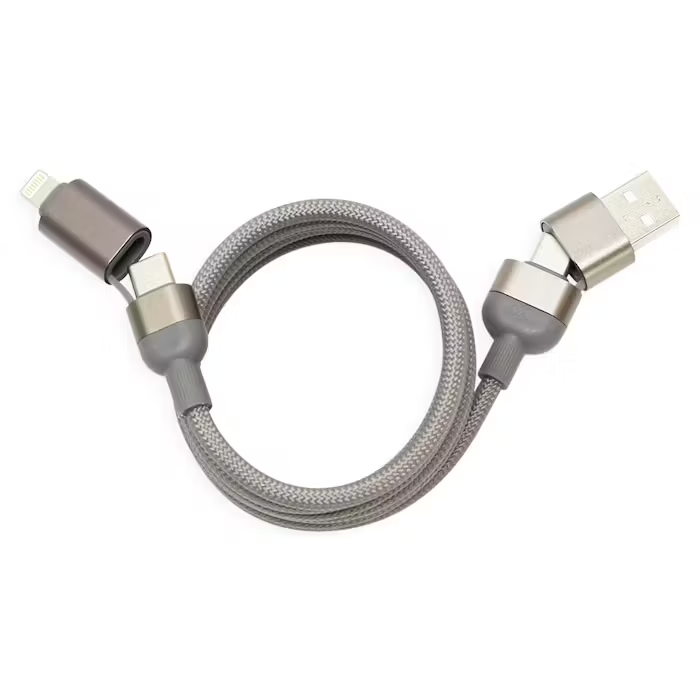
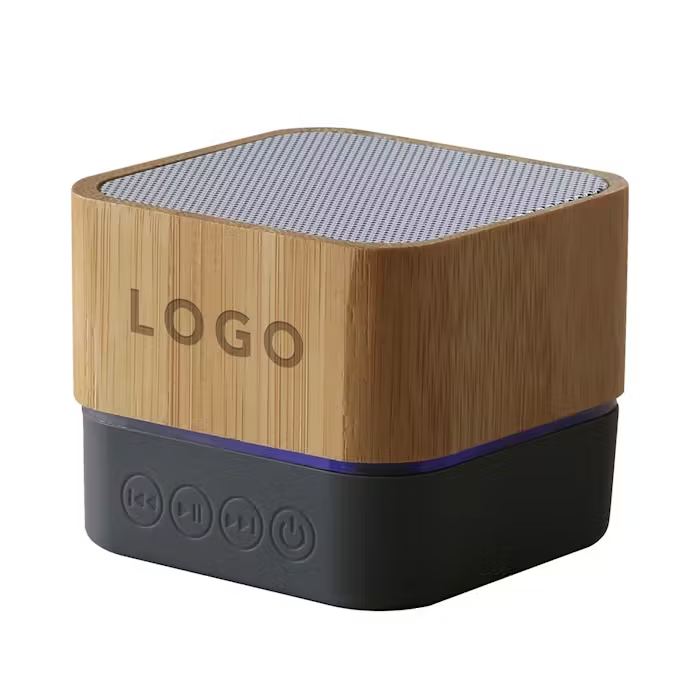
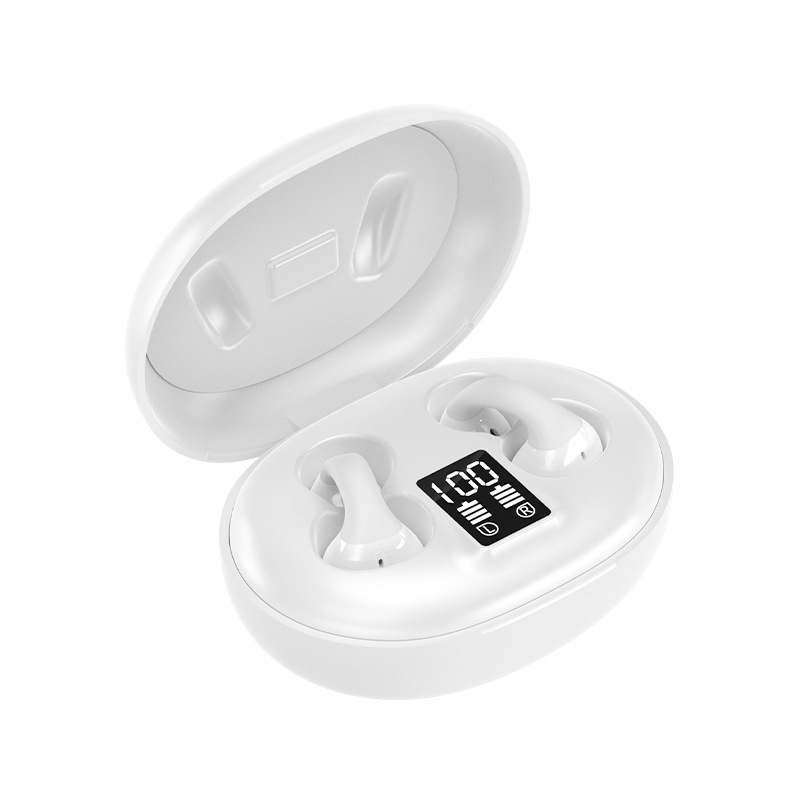
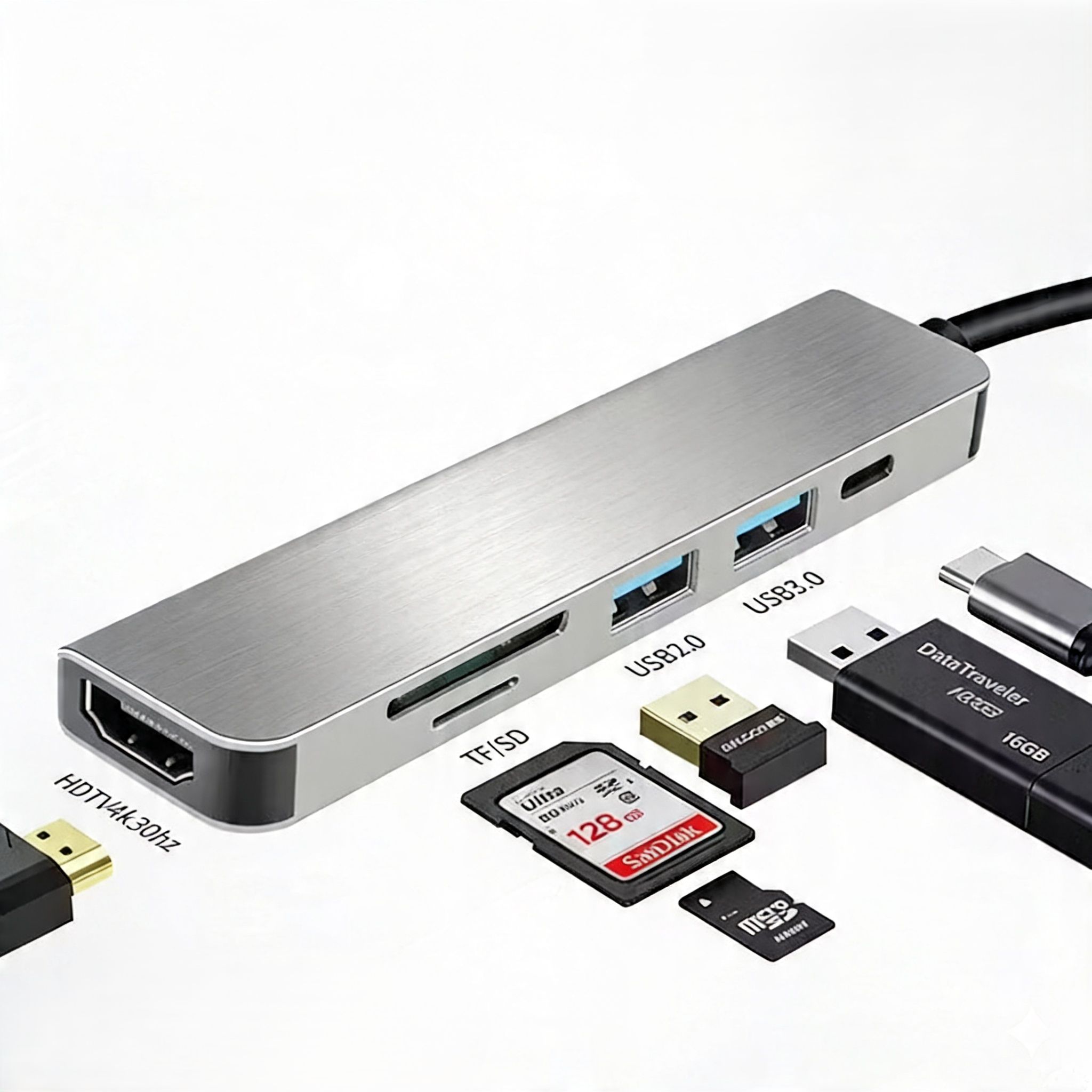
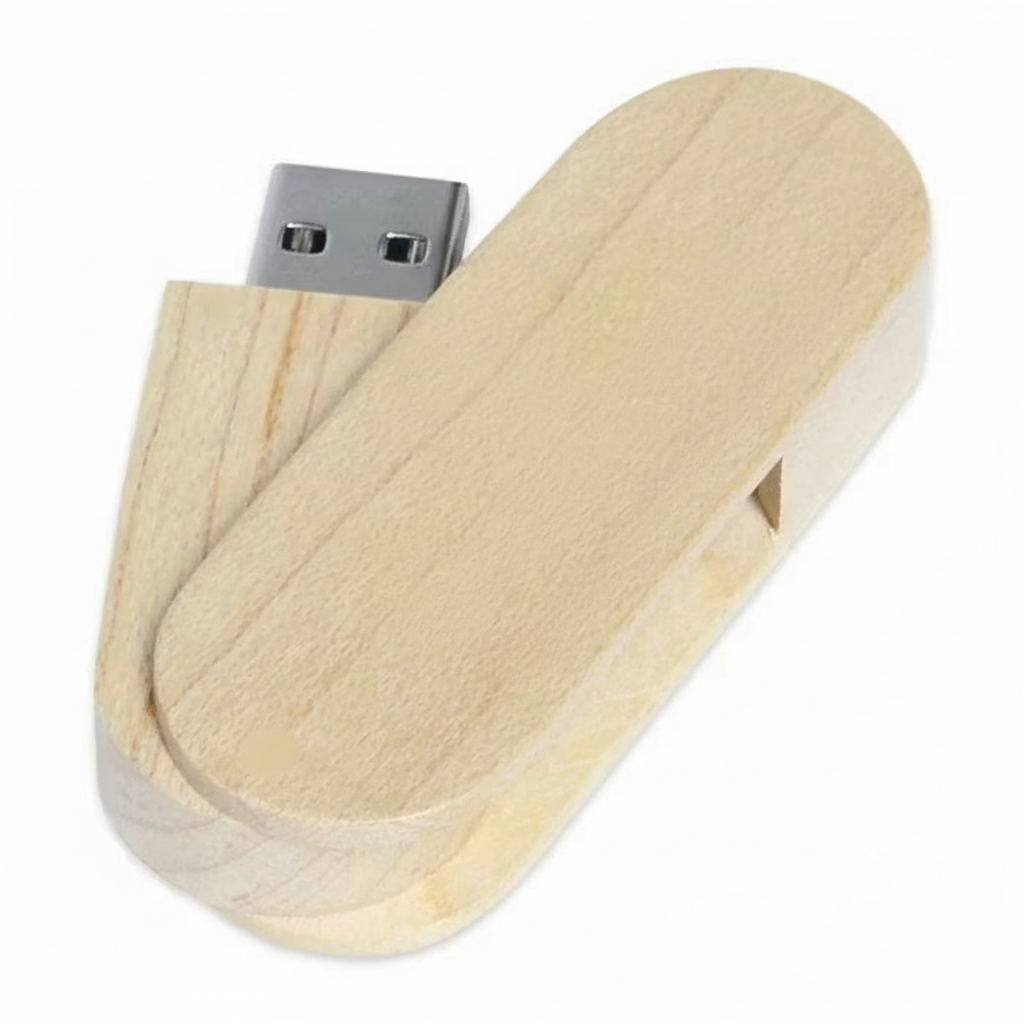
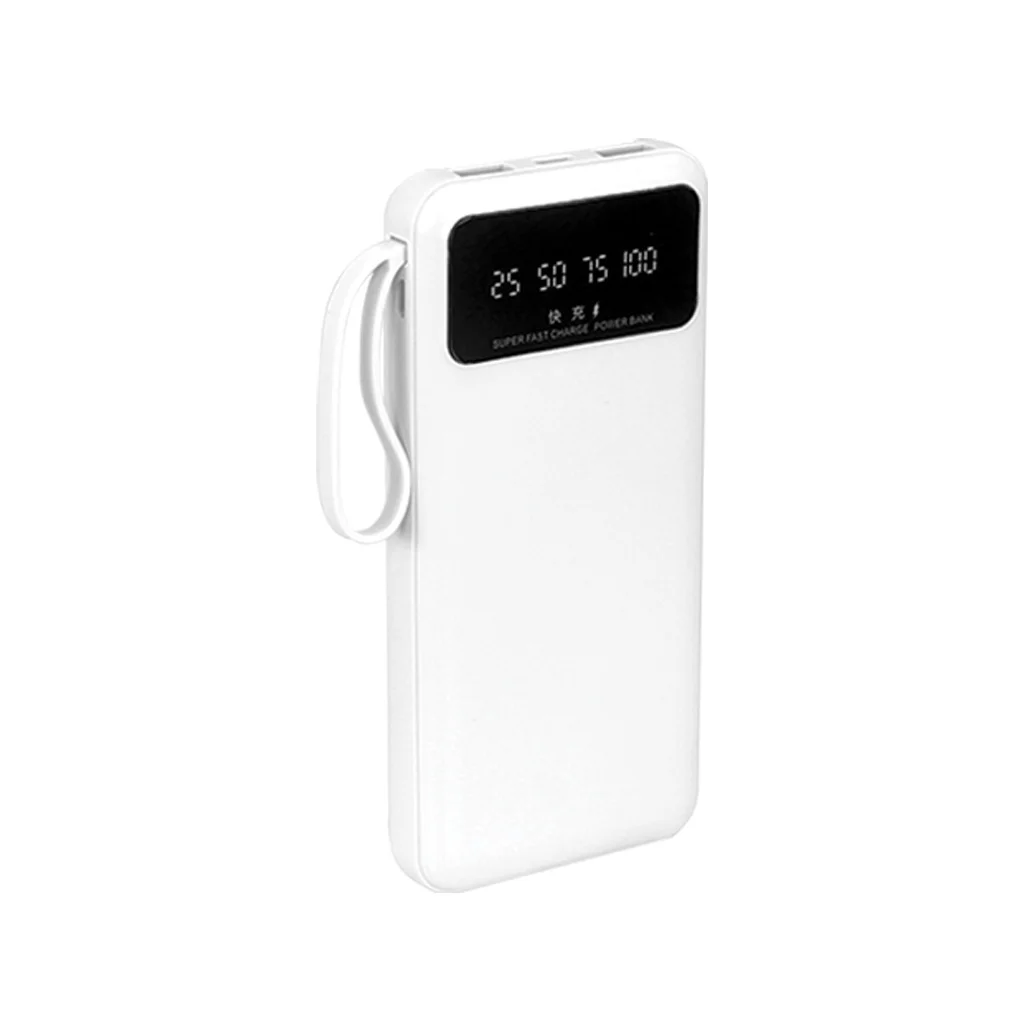
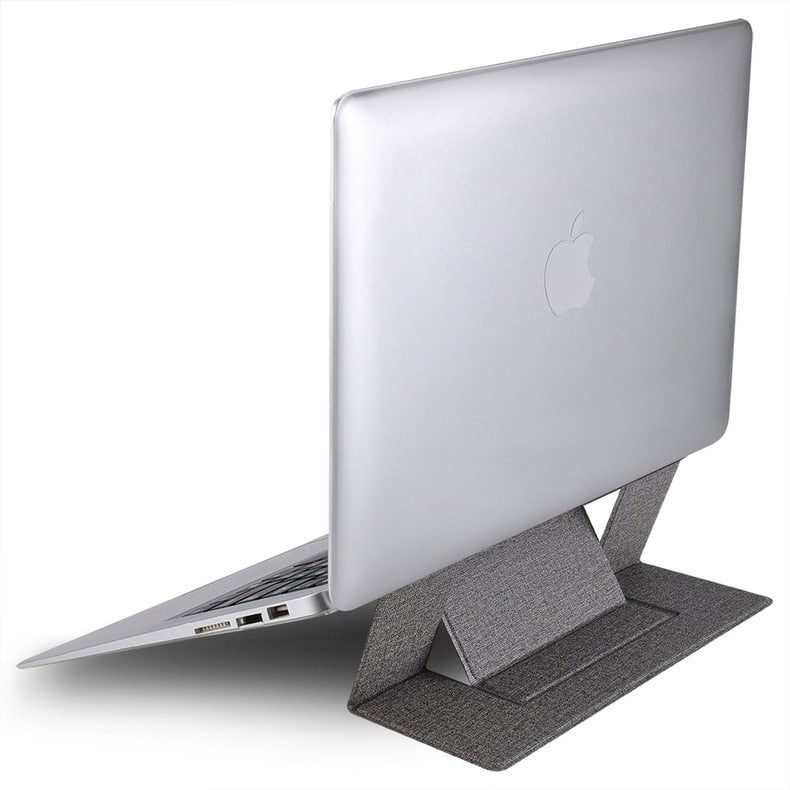
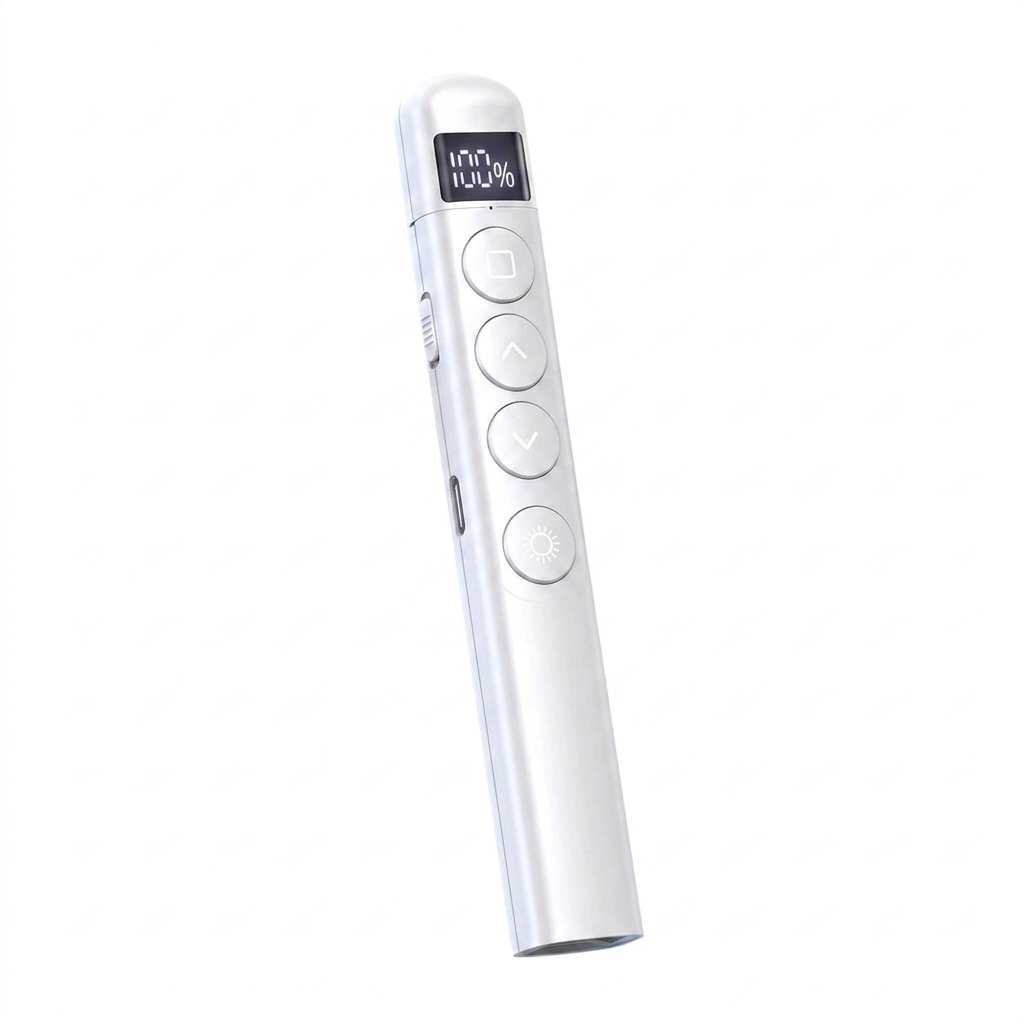
Best for: Tech companies, business partners, premium clients, and professional events.
Technology gifts often have strong perceived value because they solve everyday problems.
Before ordering, check compatibility, product quality, safety certifications where applicable, and warranty arrangements. A charging accessory that fails immediately is unlikely to leave the impression you intended.
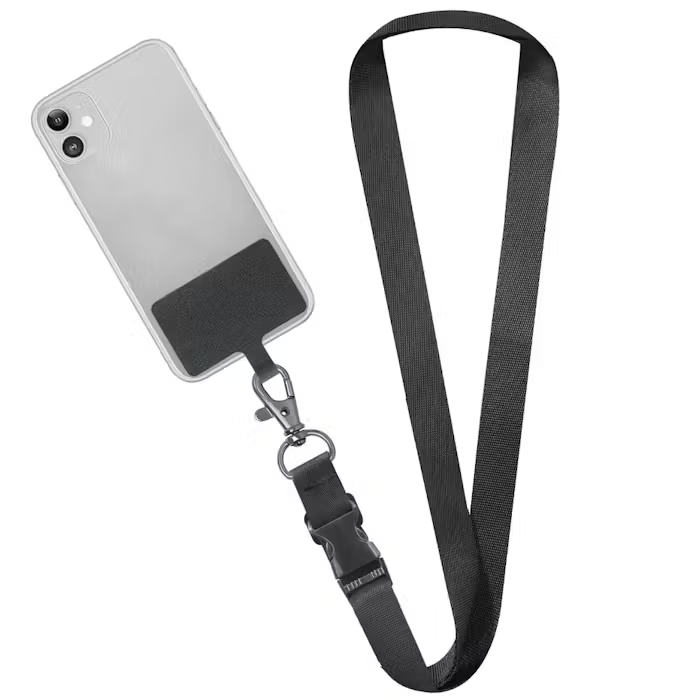
Best for: Employee appreciation, client gifts, travel campaigns, and executive events.
These gifts are particularly useful for recipients who commute, travel for work, or frequently attend events.
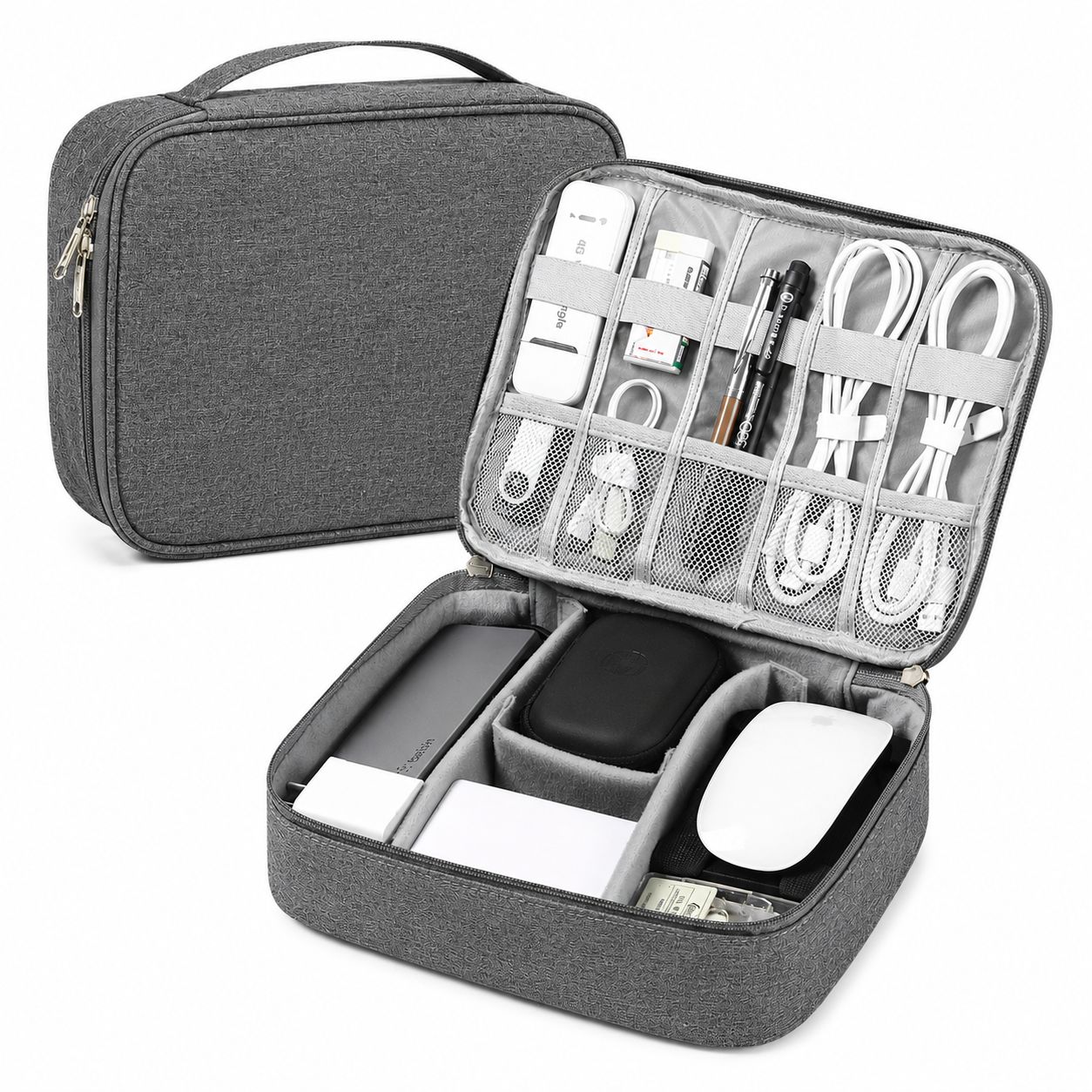
For a more polished set, combine a few complementary items instead of choosing several unrelated products. A travel organiser, luggage tag, and compact charging cable, for example, can form a cohesive travel kit.
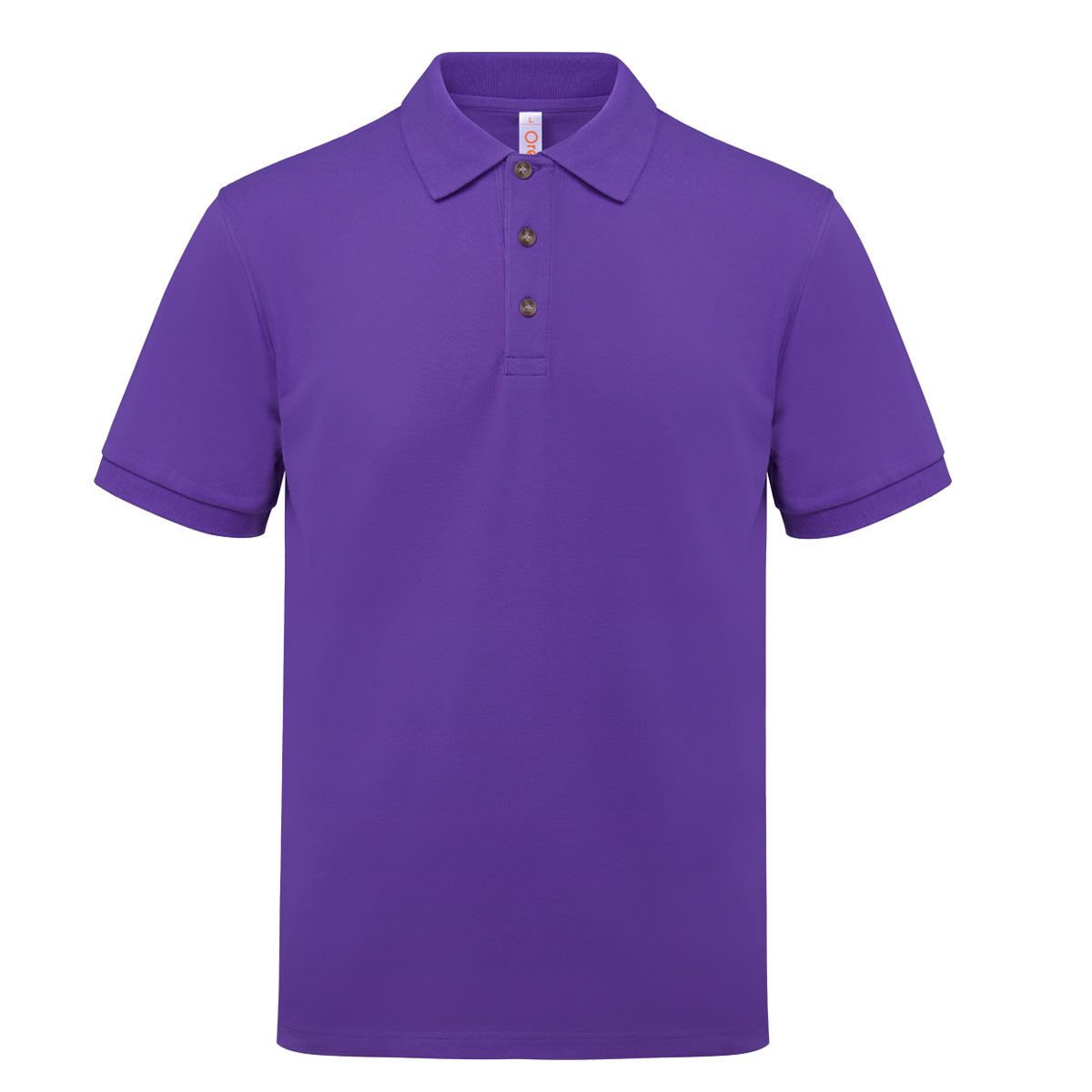
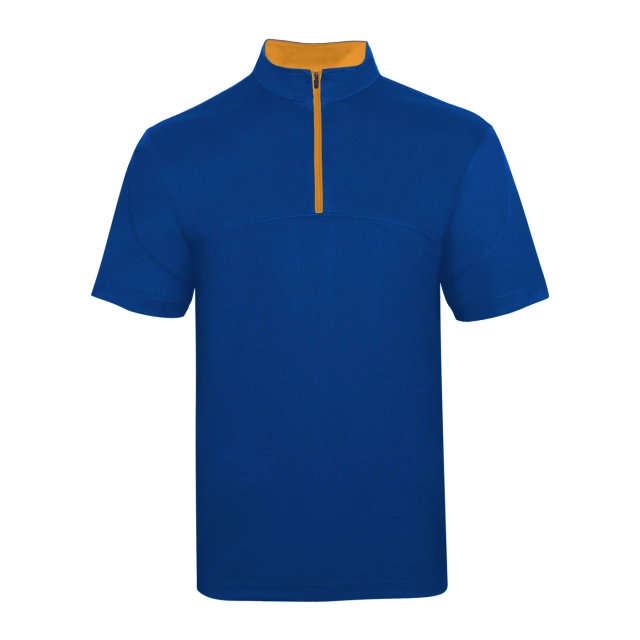
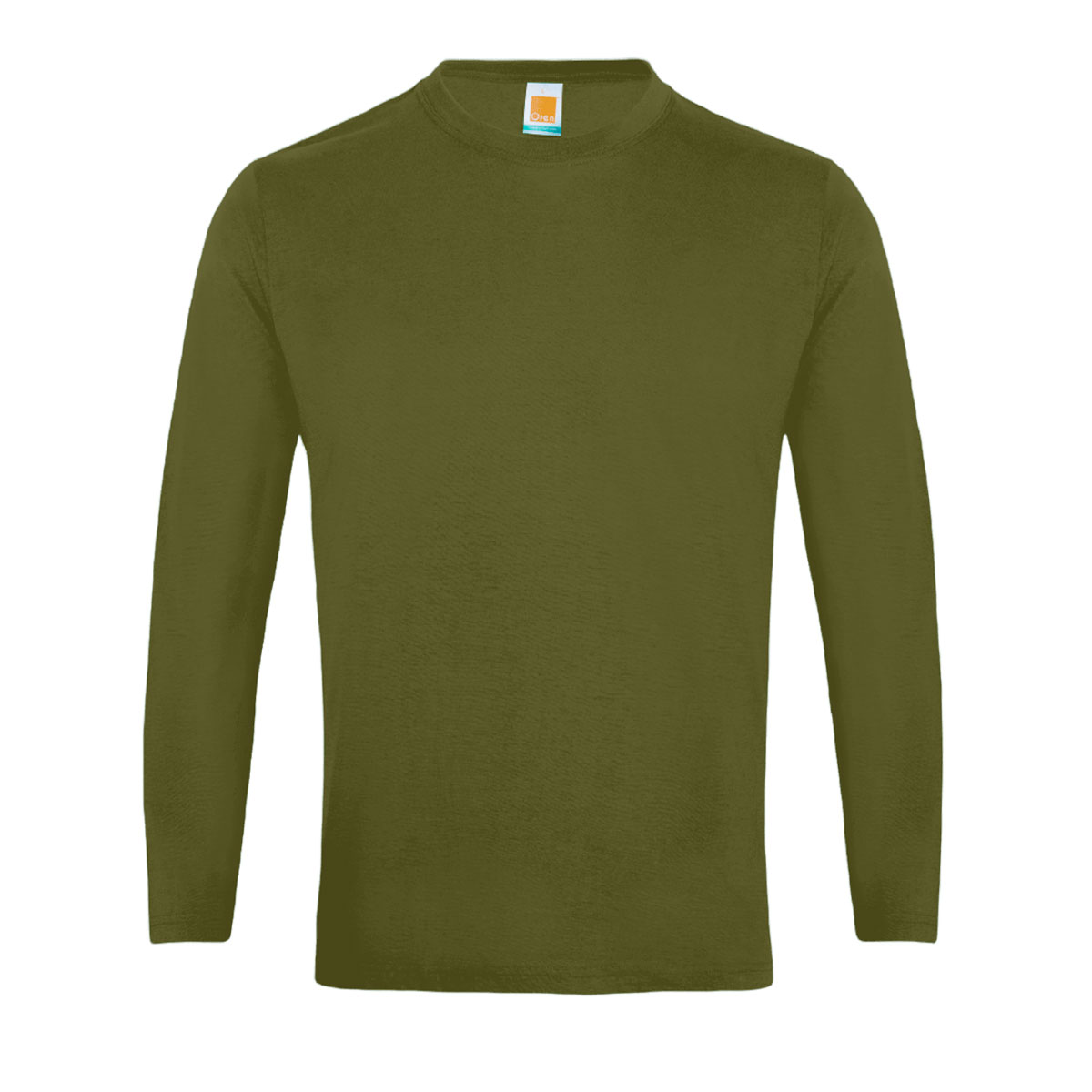
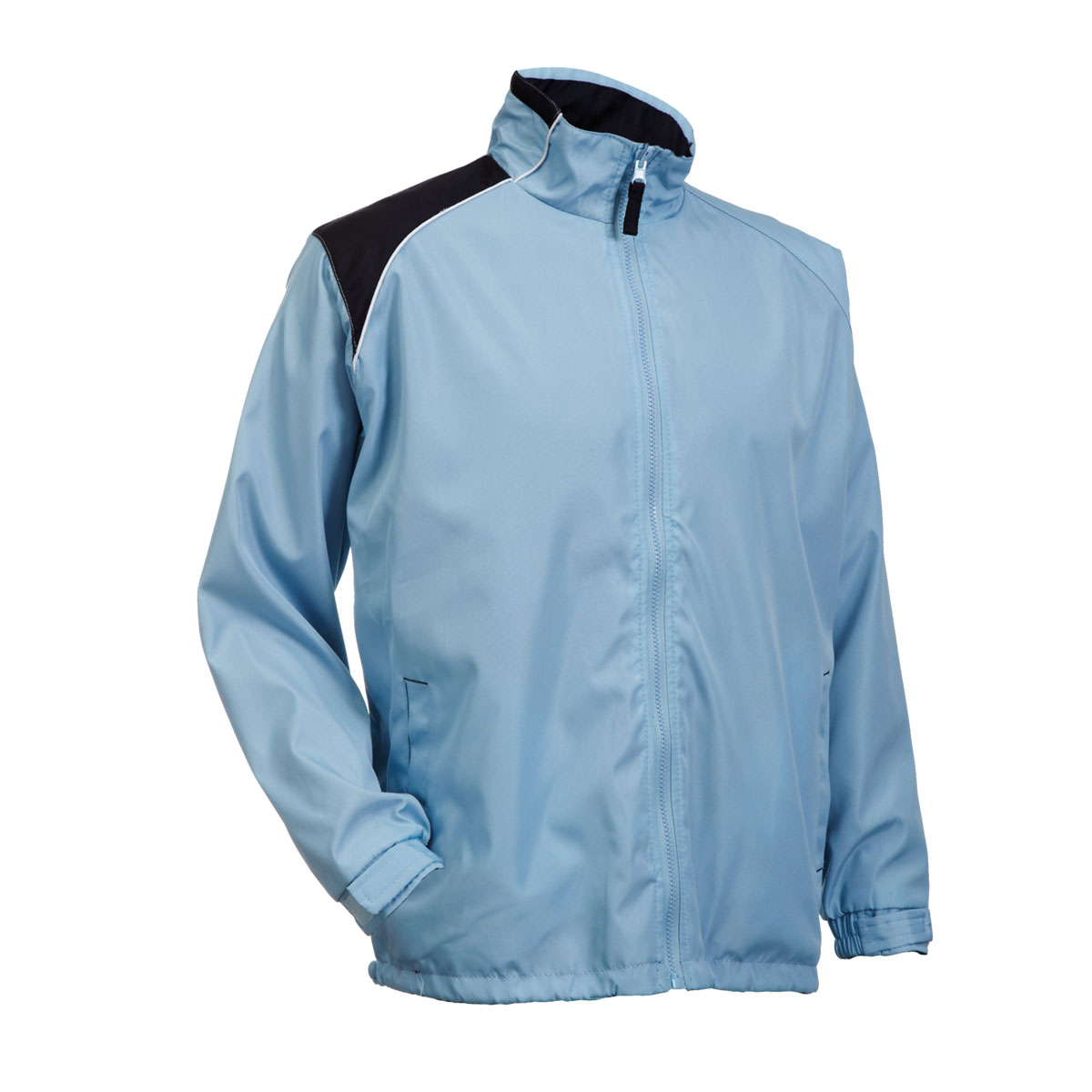
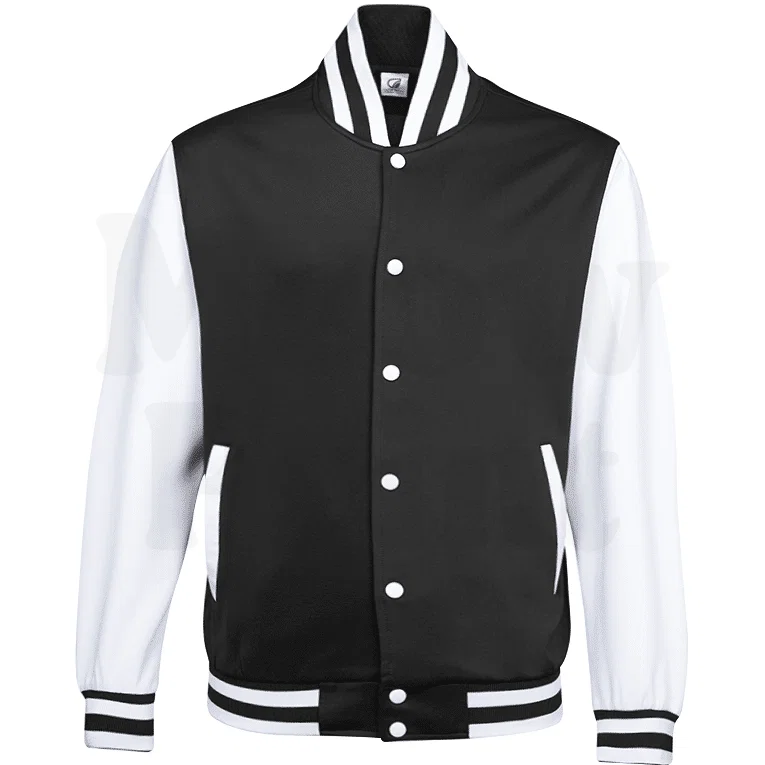
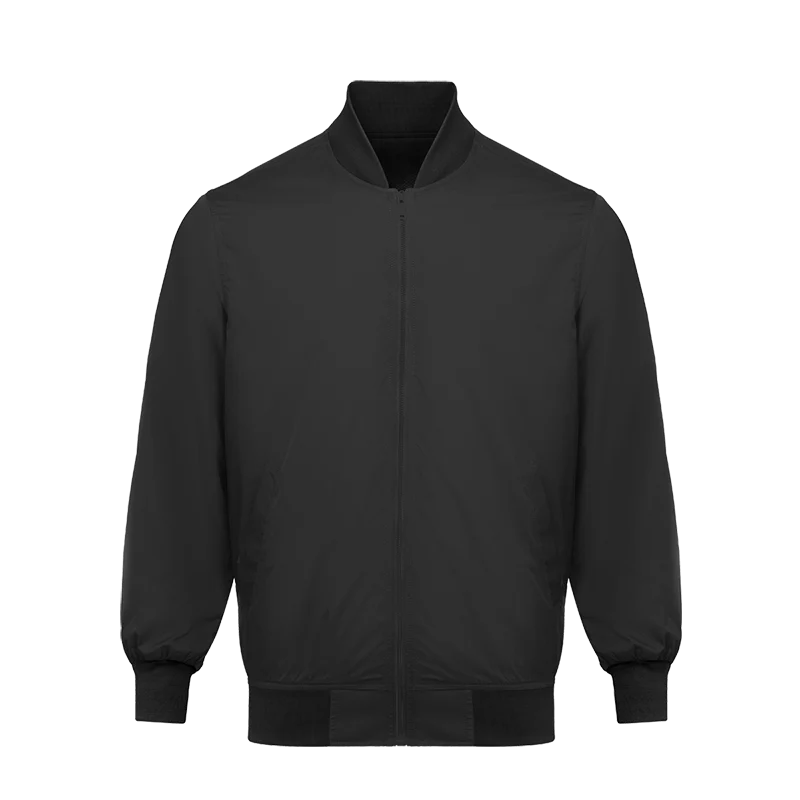
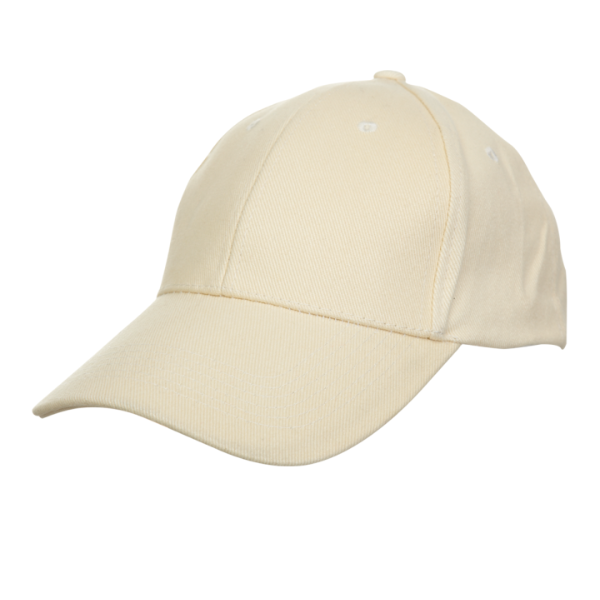
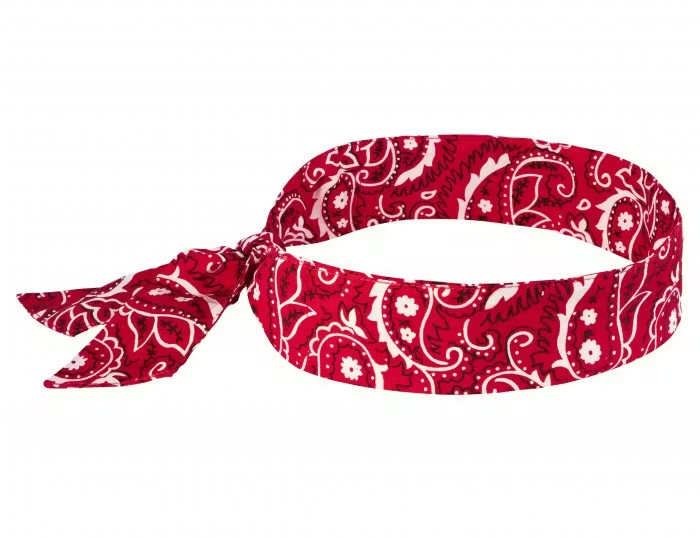
Best for: Staff uniforms, company events, team-building activities, and sports campaigns.
Apparel can turn a group into a team and give an event a stronger identity.
However, sizing, fabric comfort, colour choices, and print durability matter. If recipients are expected to wear the items regularly, quality is more important than squeezing in the largest possible logo.
Best for: Key clients, senior executives, major business milestones, and strategic partners.
Premium gifting is not simply about spending more. It is about choosing something that feels considered, well-made, and appropriate to the relationship.
A beautifully presented gift set of useful items can feel more thoughtful than a single expensive product that does not suit the recipient.
Best for: Sustainability campaigns, environmental initiatives, and organisations with responsible procurement goals.
Be careful with sustainability claims. A product labelled “eco-friendly” is not automatically the better choice. Consider material sourcing, durability, packaging, and whether recipients are likely to use it repeatedly.
A reusable product that sits unused in a cupboard does not automatically create a positive environmental outcome.
Here is where many businesses go wrong: they begin by browsing products rather than defining the purpose of the gift.
A better approach is to work through five questions.
A new employee, a long-standing client, a conference attendee, and a senior business partner have different expectations.
For example:
If your recipients come from different backgrounds or age groups, avoid assuming that everyone has the same preferences.
The occasion helps narrow your options.
A trade show calls for lightweight, easy-to-distribute products. A company anniversary might justify a premium keepsake. An employee welcome kit could include everyday essentials that make someone’s first week more comfortable.
For festive gifting, presentation and cultural appropriateness matter too. Consider the recipient’s preferences and traditions rather than relying on a generic festive theme.
Your budget should include more than the quoted price per item.
Remember to account for:
A product advertised at $5 per piece can cost considerably more once customisation, packaging, and delivery are included.
Always compare suppliers using the same specifications and a comparable total cost.
This is perhaps the most important question.
Before placing an order, imagine the recipient taking the item home. Would they put it to use? Would they carry it outside? Would they keep it on their desk?
Consider whether the product is:
The goal is not to find a product that everyone will love. That is almost impossible. The goal is to choose something that offers genuine value to the people receiving it.
Your logo does not need to dominate the entire product to be effective.
A subtle engraving on a metal bottle, a neatly embroidered logo on a jacket, or a small print on a well-designed notebook can look more premium than oversized branding.
Match the customisation method to the product:
Always request a digital mock-up and, for larger or high-value orders, consider a physical sample before approving production.
A limited budget does not mean your gifts have to look cheap.
The trick is to spend strategically rather than simply buying the lowest-priced products available.
Here is a practical way to approach different budget levels. These are illustrative per-item product budgets, not live supplier quotations, and exclude customisation, packaging, delivery, and applicable taxes unless stated otherwise.
| Budget per gift | What to consider | Best suited for |
|---|---|---|
| Under S$5 | Pens, basic tote bags, lanyards, simple stationery | Large-scale giveaways |
| S$5–S$10 | Better-quality bags, notebooks, reusable bottles, compact accessories | Events and general appreciation |
| S$10–S$20 | Insulated drinkware, travel organisers, charging accessories, selected apparel | Client gifts and employee kits |
| S$20–S$50 | Premium backpacks, curated gift sets, quality tech accessories | Important clients and staff recognition |
| S$50 and above | High-quality lifestyle products and personalised premium sets | Major milestones and selected VIP recipients |
Actual prices vary substantially by material, order quantity, branding method, and product specifications.
Choose one useful item over several forgettable ones.
A quality notebook that people enjoy using may be more effective than a collection of low-cost novelty products.
Alternatively, if your event requires a gift bag, create a coordinated set of inexpensive but practical items. A notebook, pen, and tote bag can feel cohesive when the colours and design work together.
Ordering in larger quantities may reduce unit costs, but only if the products are suitable and the quantity is justified. Buying 1,000 items nobody wants is not a bargain.
Branded merchandise should represent your company well. Unfortunately, adding a logo to an ordinary product does not automatically make it look professional.
Here are several ways to improve the result.
Give the logo enough space to be visible without overwhelming the product. Smaller branding can make an item more versatile, especially when recipients want to use it outside work.
Use your brand colours where they complement the product. Neutral colours such as black, white, navy, and beige can be versatile, while a carefully chosen accent colour can help the gift stand out.
A detailed logo may look excellent on a smooth surface but lose definition on textured fabric. Embroidery can add a premium finish to apparel, while engraving can give selected metal products a clean, understated appearance.
Ask your supplier which methods are suitable for your specific product and artwork.
Packaging influences the first impression, particularly for client appreciation and festive gifts.
A simple gift box, coordinated tissue paper, or personalised message card can make a modest product feel more considered. But do not spend so much on packaging that the actual gift becomes an afterthought.
Screen previews cannot always show how colours, materials, and print finishes will look in real life.
Inspect logo placement, colour accuracy, print quality, product function, and packaging before approving the full production run.
A small sample check can prevent a very large box of disappointment.
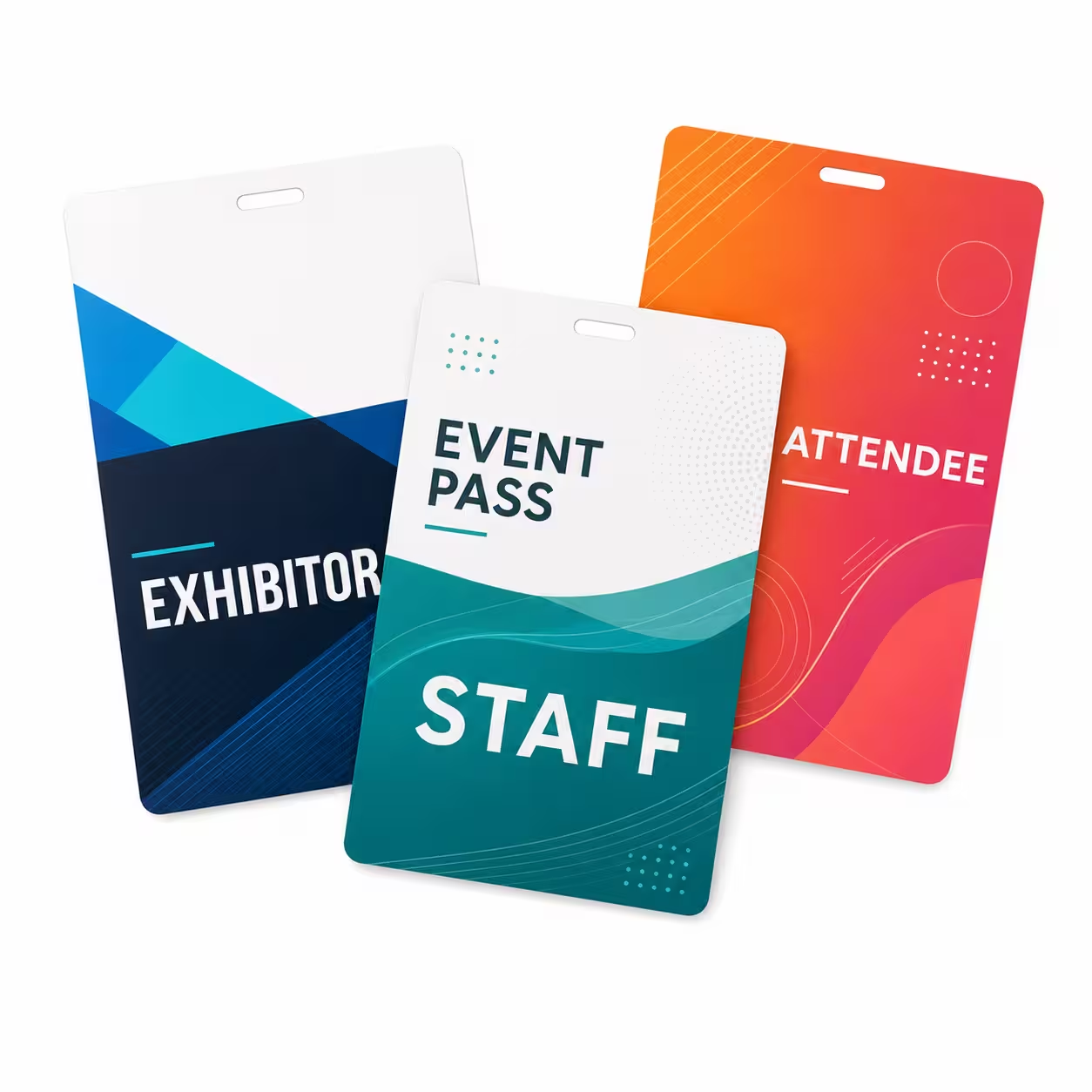
Trade shows present a unique challenge. You want visitors to notice your brand, remember your business, and ideally continue the conversation after the event.
But you are competing with dozens, sometimes hundreds, of other exhibitors offering their own giveaways.
How do you stand out?
Attendees often collect brochures, samples, and merchandise throughout the day. Bulky gifts can become inconvenient, even when they are useful.
Compact tote bags, foldable items, pens, card holders, and small tech accessories can be practical choices.
Choose something with a purpose beyond displaying your logo. A useful charging cable, a well-made notebook, or an attractive bottle has a better chance of being retained than an item with no obvious use.
A technology exhibition might suit phone accessories. A wellness event might call for sports towels or reusable bottles. A sustainability-focused event might favour durable reusable products.
Relevance makes the gift feel intentional.
Not every visitor needs the same gift.
You could offer a simple giveaway to general visitors, a more substantial item to qualified prospects, and a premium gift to selected business partners where appropriate.
Make sure any higher-value gifts comply with the recipient organisation’s gifting policies.
Giving away 500 products is not the same as generating 500 valuable business interactions.
Track useful measures such as qualified leads, follow-up meetings, enquiries, campaign-specific website visits, and eventual conversions. These metrics help you evaluate whether your gifting strategy achieved its purpose.
Employees can usually tell the difference between a gift chosen to make them feel appreciated and one selected because it was convenient to order in bulk.
That does not mean employee gifts must be expensive. It means the gesture should feel genuine.
Consider gifts for:
A practical welcome kit might contain a comfortable branded shirt, a reusable bottle, and a notebook. A work anniversary gift could be more personalised, reflecting the employee’s interests or milestone.
Where possible, give employees a choice between several options. This can reduce waste and make the gift more relevant to individual preferences.
And remember: a gift should complement fair compensation, good working conditions, and meaningful recognition. It cannot replace them.
Festive gifting is one of the busiest periods for corporate gift suppliers. It is also one of the easiest times to leave everything until the last minute.
Once everyone remembers that they need hundreds of customised gifts, popular products may become harder to source, production schedules fill up, and delivery deadlines become tighter.
The solution is simple: plan backwards from your delivery date.
A useful starting point is to begin exploring options around two to three months ahead for a sizeable customised order. Complex products, imported items, or elaborate packaging may require more time. Confirm the actual production schedule with your supplier before committing.
Your planning checklist should include:
For Singapore businesses, it is also worth considering local delivery logistics, public holidays, festive peak periods, and whether gifts need to reach multiple offices or individual recipients.
A well-planned gift feels effortless to the recipient. Behind the scenes, it usually takes more coordination than people realise.
The product is only half the equation. The supplier determines whether the final result matches your expectations and arrives when you need it.
Before committing to an order, evaluate the supplier on several factors.
Product range: Can they offer alternatives across different budgets and product categories?
Customisation capabilities: Do they support suitable printing, engraving, embroidery, and packaging options?
Quotation transparency: Are product costs, customisation charges, setup fees, taxes, and delivery clearly stated?
Samples and quality control: Can you inspect a sample or see reliable examples of previous work?
Communication: Do they respond clearly and explain any production limitations?
Lead times: Can they realistically meet your deadline, including artwork approval and delivery?
Order accuracy: How do they handle defects, incorrect printing, damaged goods, or short shipments?
Compliance and safety: Can they provide relevant product documentation where required, especially for electrical products, children’s items, or other regulated categories?
The more complete your brief, the easier it is to compare suppliers fairly.
Include the product type, quantity, preferred colours, logo artwork, customisation method, packaging requirements, delivery location, required delivery date, and budget per piece.
Ask for the price excluding GST and the total payable amount including applicable taxes. For Singapore orders, confirm the applicable GST treatment rather than assuming every quoted price includes it.
Most importantly, compare quotations based on equivalent specifications. A cheaper quotation may reflect thinner fabric, a smaller printing area, a different product model, or less comprehensive packaging.
Even well-intentioned gifting campaigns can miss the mark. Here are some common mistakes and how to avoid them.
Mistake 1: Choosing a product solely because it is cheap.
Low prices are attractive, but poor quality can undermine your brand. Evaluate usefulness, durability, and total cost together.
Mistake 2: Ordering too many items without testing demand.
Large quantities may reduce unit costs, but unused inventory ties up money and storage space. Confirm your numbers before ordering.
Mistake 3: Making the logo too prominent.
Recipients may be less inclined to use products that look like walking advertisements. Consider subtle, attractive branding.
Mistake 4: Ignoring delivery deadlines.
A perfect gift delivered after the event is not very useful. Build in time for approvals, production, shipping, and unexpected delays.
Mistake 5: Forgetting the recipient’s preferences.
Food, fragrances, clothing sizes, cultural considerations, and personal tastes can make some gifts unsuitable for certain recipients. Choose broadly appropriate options or provide alternatives.
Mistake 6: Overlooking company gifting policies.
Some organisations restrict gifts by value, type, timing, or recipient. Check relevant policies before sending expensive or personal gifts.
Mistake 7: Never evaluating the results.
If gifting is part of a marketing campaign, define what success looks like. If it is for employee appreciation, ask whether the gifts were useful and well received. Feedback can make the next campaign better.
Not every gift needs to generate an immediate sale. Sometimes the purpose is to recognise employees or strengthen a long-standing relationship.
Still, it helps to understand what you are trying to achieve.
For marketing-focused campaigns, consider tracking:
For employee and client appreciation, consider collecting feedback on gift usefulness, quality, relevance, and overall satisfaction.
You can also compare the results of different gift types across campaigns. For example, do recipients respond more positively to practical everyday items or curated gift sets?
Avoid assuming that a gift caused a sale simply because a sale happened afterwards. Use follow-up questions, campaign tracking, and other evidence to understand its contribution.
The aim is to learn what works, not to force every thoughtful gesture into an immediate revenue calculation.
Corporate gifting continues to evolve as businesses become more conscious of personalisation, sustainability, product quality, and recipient experience.
Several approaches are worth watching.
Instead of giving everyone exactly the same item, companies can offer choices based on interests, roles, or occasions.
Personalisation can range from engraved names to curated product selections. It does not always need to be elaborate to feel meaningful.
A collection of complementary products can create a more cohesive experience than several unrelated items.
Think of a travel kit, a desk essentials set, or a wellness-themed package. The individual products should work together and offer a clear purpose.
Businesses are increasingly attentive to waste and product longevity. Durable items that recipients genuinely use can be a more sensible choice than disposable novelty merchandise.
The emphasis should be on real usefulness and credible material claims rather than sustainability buzzwords.
Packaging can make gifts feel special, but it can also create unnecessary waste. A well-designed, appropriately sized package can deliver a premium experience without excessive layers of material.
The future of branded merchandise is not necessarily bigger logos. It is better products, more relevant choices, and designs that recipients are happy to use in their everyday lives.
Ultimately, the most effective trends are those that improve the experience for the person receiving the gift.
Corporate gifting does not have to be complicated, extravagant, or expensive.
It does, however, require a little empathy.
Think about the person receiving the gift. What would make their day easier? What might they genuinely enjoy using? What would make them feel that your company had put some thought into the gesture?
Sometimes the answer is a premium gift set. Sometimes it is a beautifully made tote bag, a reliable water bottle, or a simple item that solves an everyday problem.
The best corporate gifts are not necessarily the most expensive or the most unusual. They are the ones that feel appropriate, useful, and thoughtfully chosen.
Because at the end of the day, nobody needs another random object with a logo on it.
But a gift that makes life a little easier, brings a smile, or makes someone feel appreciated?
That is a gift worth giving.
Planning your next corporate gifting campaign?
From everyday promotional merchandise to customised drinkware, apparel, technology accessories, and premium gift sets, the right products can help your business make a lasting impression.
Explore the possibilities with Gift Monster and find corporate gifts that put usefulness, quality, and thoughtful branding first.


























 Apparel
 Bags
Bags Stationery
 Drinkware
 Lifestyle
 Tech
Tech Eco-Friendly