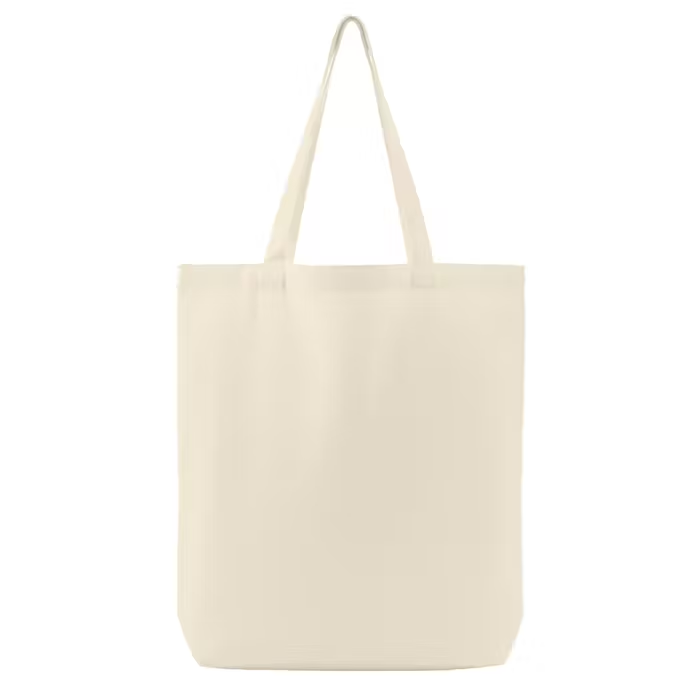
Canvas tote bag

Jute bag
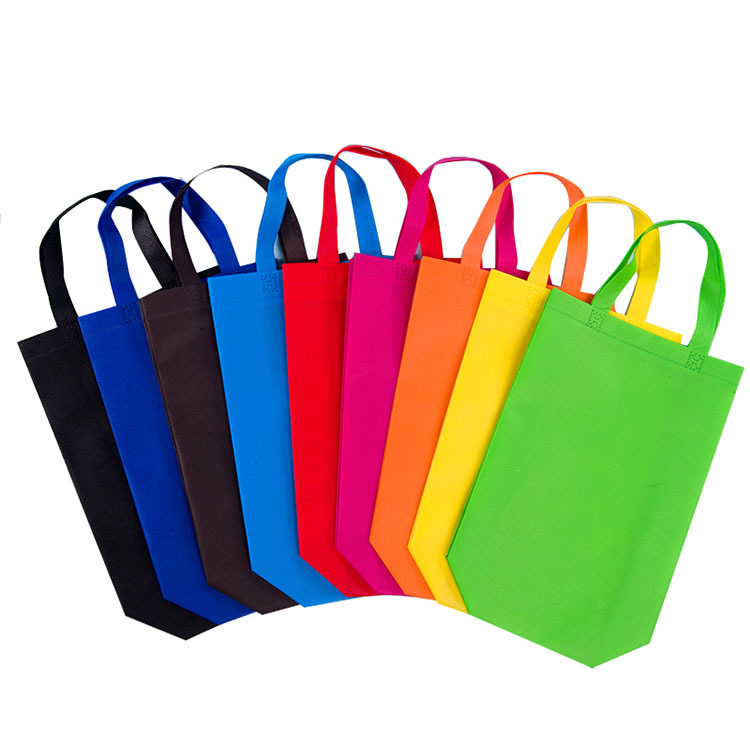
Non-woven bag
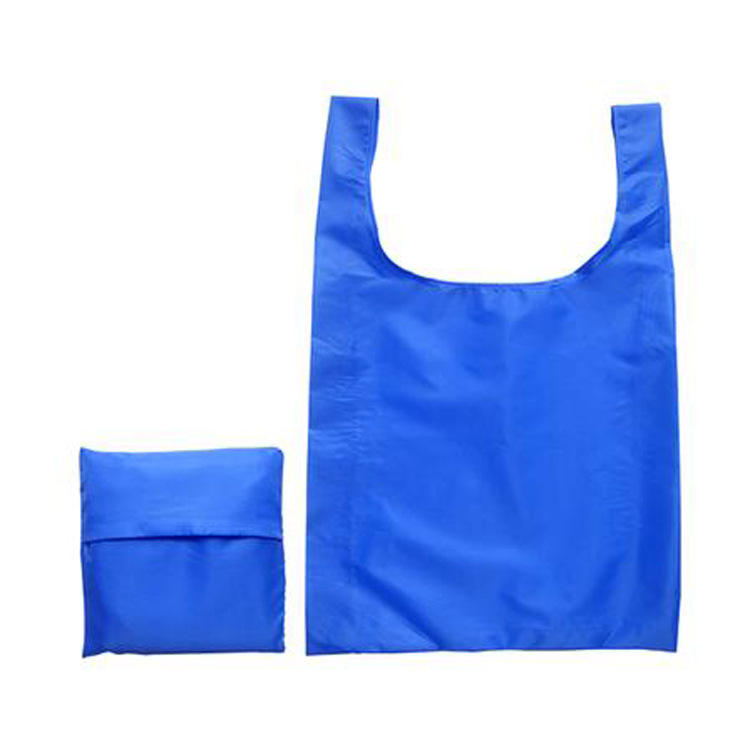
Foldable bag
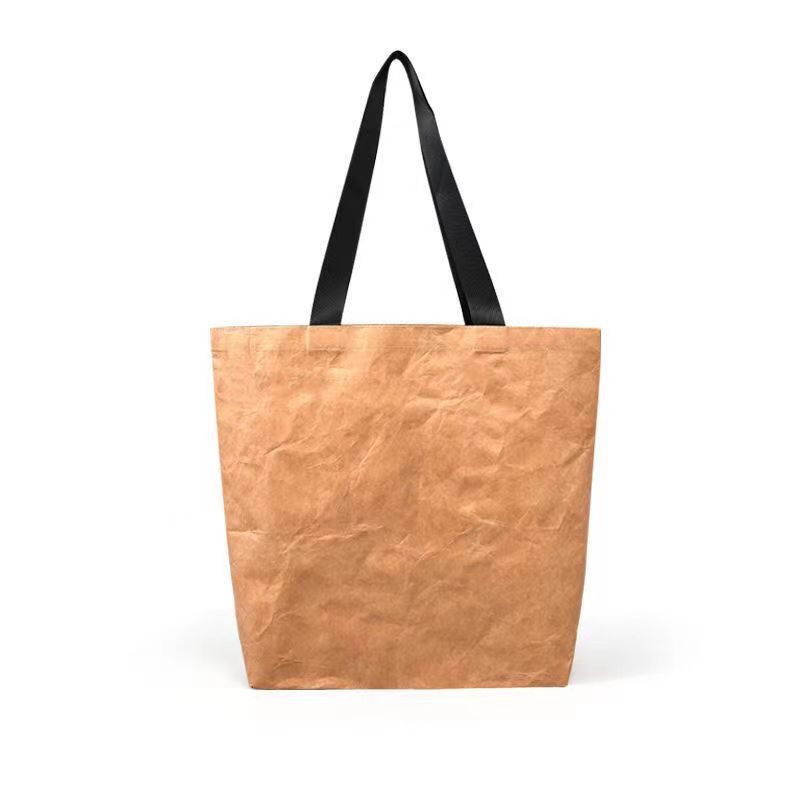
Tyvek bag
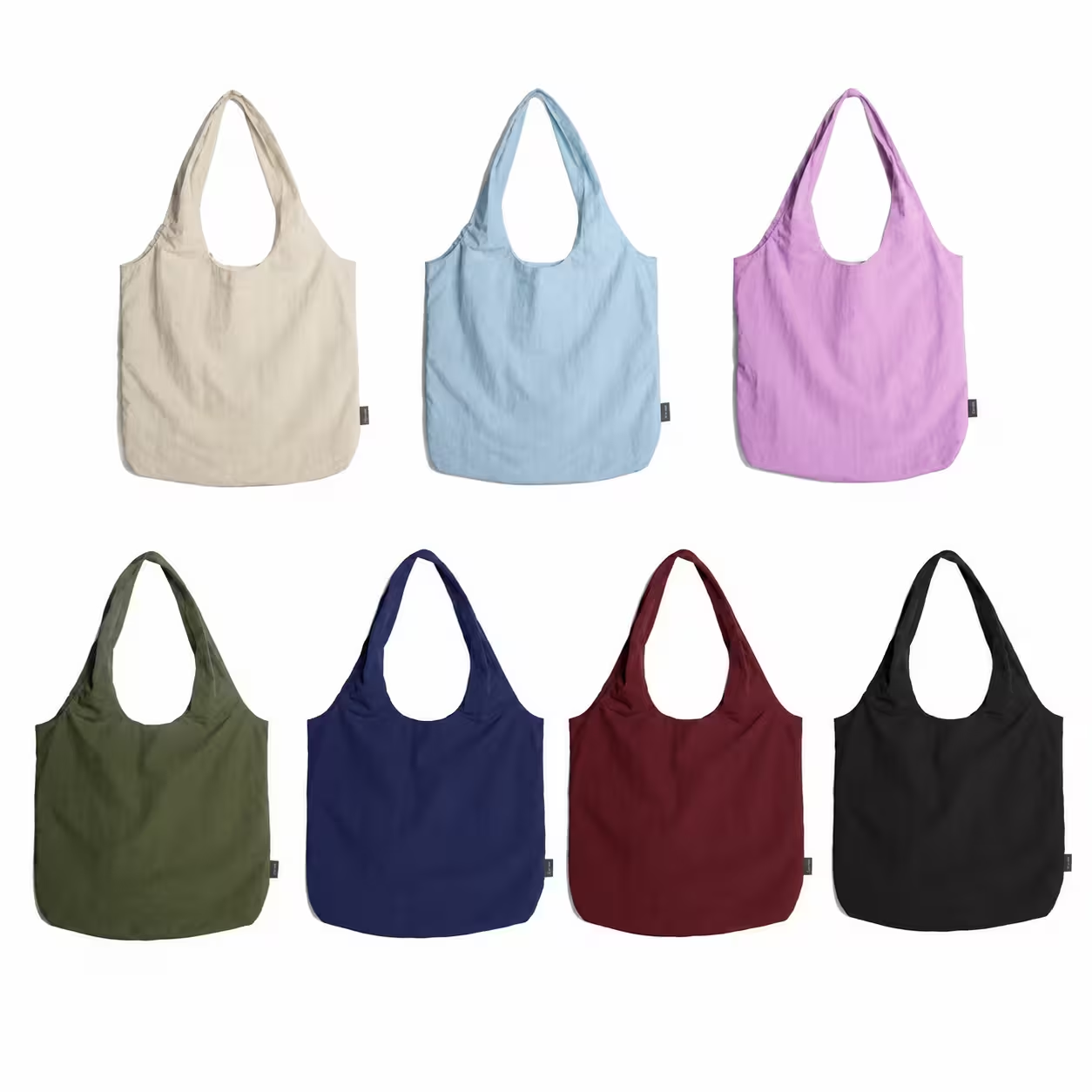
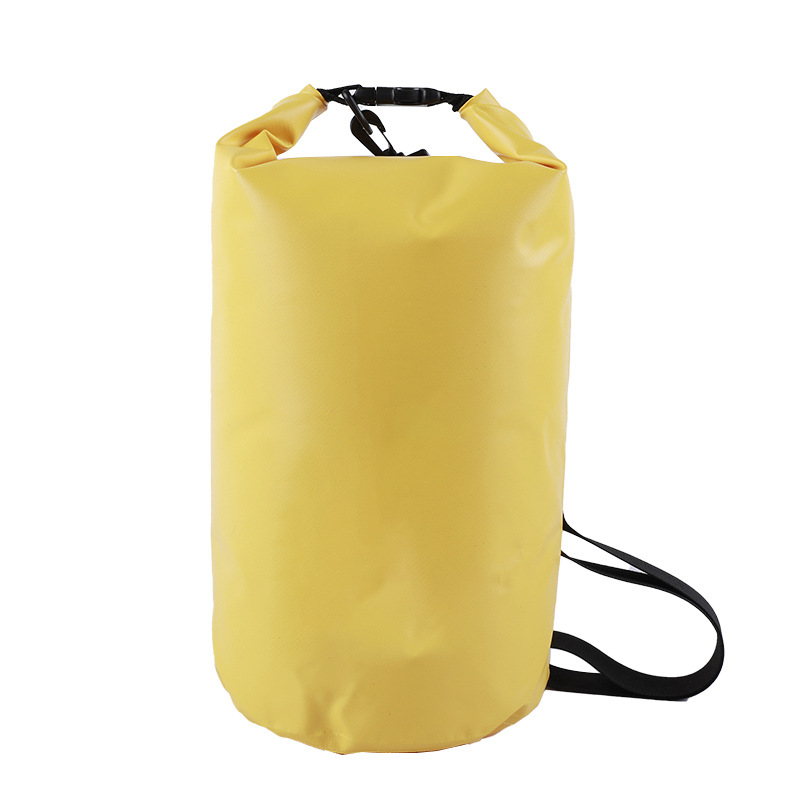
Nylon bag

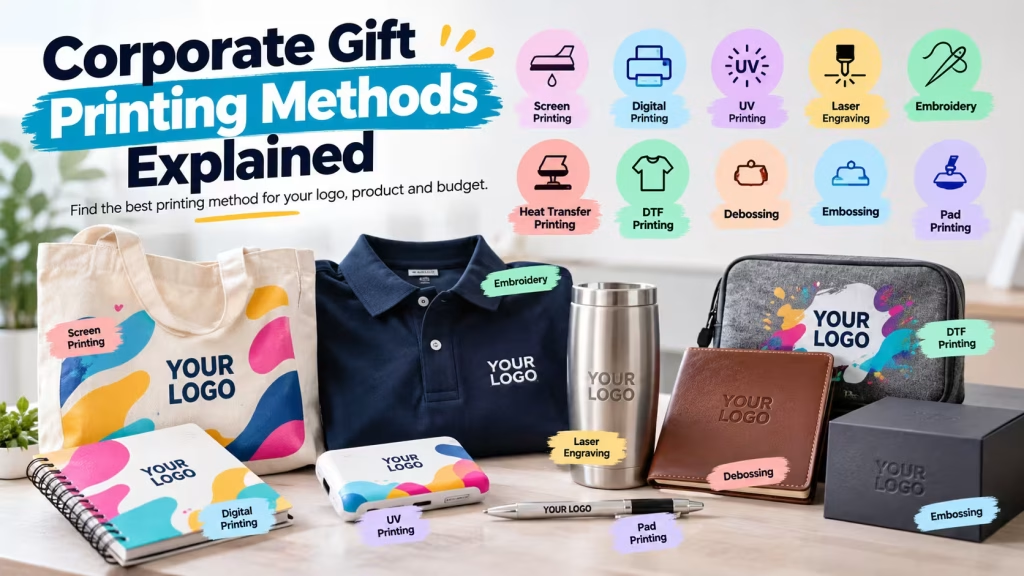
A corporate gift can be useful, attractive and well made—but if your logo looks blurry, peels off or feels out of place, it can undermine the whole impression.
That is why choosing the right corporate gift printing method matters just as much as choosing the gift itself. The best option depends on the material, your artwork, the order quantity and how recipients will use the product.
Whether you are ordering custom tote bags for an event, branded apparel for your team or premium drinkware for clients, this guide explains the main printing and customisation methods—and how to turn an everyday giveaway into a gift worth keeping.
Your logo does more than identify your company. It becomes part of the product’s appearance and the recipient’s experience.
The right branding method helps you:
There is no single method that is best for every corporate gift. A technique that works beautifully on a cotton T-shirt may be unsuitable for a stainless steel bottle.
Silkscreen printing, also known as screen printing, pushes ink through a prepared mesh screen onto the product. In conventional spot-colour printing, each colour generally requires a separate screen.
It is a popular choice for simple, high-impact branding.
Silkscreen printing produces strong, clear designs, particularly when the artwork uses solid colours. For larger quantities with the same design, setup costs can be spread across more units, making it an economical option.
Additional colours and print positions can increase costs. Photographs, gradients and intricate multicolour designs may require specialised screen-printing processes or a different method.
Ink selection and curing also matter, especially when durability is important.
Best choice: A bold, one- or two-colour company logo on event merchandise or bulk promotional gifts.
Upgrade idea: Choose a better-quality tote bag or garment rather than adding unnecessary print colours. A straightforward logo on a product people enjoy using can deliver more value than a complicated design on a disposable giveaway.
UV printing uses ultraviolet light to cure specially formulated ink during printing. It can reproduce multicolour graphics and fine details on suitable surfaces.
UV printing is useful for colourful logos, illustrations and designs that are difficult to reproduce with basic spot-colour printing.
Depending on the equipment and production process, white ink or clear varnish may also be available to improve visibility or create decorative effects.
Not every surface accepts UV ink equally well. Coatings, texture, curvature and surface preparation affect adhesion and print quality.
For bottles and other frequently handled products, ask about suitability, care requirements and any available durability testing. Do not assume a printed item is dishwasher-safe.
Best choice: Detailed, multicolour branding on a compatible hard-surface gift.
Upgrade idea: Pair a vibrant print with a cleaner product colour. Strong contrast can make your artwork stand out without making the gift look overcrowded.
Direct-to-film printing, or DTF, prints artwork onto a specialised film. An adhesive is applied, and the design is transferred onto a compatible textile using heat and pressure.
DTF is useful for multicolour artwork, gradients and detailed designs. It can work with a range of compatible fabrics and does not require a separate screen for every colour.
DTF transfers sit on the fabric rather than becoming part of the fibres. Large, solid print areas can feel heavier and less breathable than small designs.
Application quality and washing practices influence durability, so follow the supplier’s care instructions.
Best choice: Colourful campaign artwork or detailed team merchandise on compatible textiles.
Upgrade idea: Use a small front logo and a larger campaign design on the back. This creates a more wearable result than placing a large graphic across every available surface.
Heat transfer is a broad category rather than one specific process. It includes methods that apply printed transfers or cut materials to a product using heat and pressure. DTF is one example within this category.
Depending on the transfer type, heat transfer can support individual names, numbers, simple lettering or full-colour designs.
It can be practical when an order needs variations between items, such as employee names or team numbers.
The finish, stretch, feel and durability vary substantially between transfer materials. The fabric must also tolerate the required application temperature.
Ask which transfer process is being proposed rather than comparing quotations based only on the phrase “heat transfer”.
Best choice: Personalised team apparel or textile gifts requiring variable details.
Upgrade idea: Add individual names alongside a restrained company logo to make staff gifts feel more personal.
Sublimation uses heat to transfer dye into suitable polyester fibres or a specially prepared polymer coating.
Unlike a transfer layer that sits on top of the surface, the dye becomes incorporated into the compatible material or coating.
Sublimation can reproduce colourful artwork and photographic designs. On suitable textiles, it does not create the same surface layer associated with film-based transfers.
Standard sublimation is not suitable for every material. It works best on white or light-coloured compatible surfaces because it does not normally print an opaque white layer.
An ordinary cotton T-shirt or uncoated mug should not be treated as sublimation-ready.
Best choice: Colour-rich designs on products specifically manufactured for sublimation.
Upgrade idea: Use a coordinated pattern or illustration rather than enlarging your logo alone. A thoughtfully designed product can feel more like retail merchandise and less like advertising.
Pad printing transfers ink from an etched plate to a product using a flexible silicone pad. The pad can adapt to certain curved or uneven surfaces.
Pad printing can place relatively small, precise logos on shapes that are difficult to screen print.
Print areas are usually limited, and each additional colour can add production complexity. Tiny lettering and intricate artwork may need simplification.
Best choice: A compact logo on a small promotional item.
Upgrade idea: Prioritise a clean logo and a useful product feature instead of trying to fit your website, slogan and contact details into a tiny print area.
Laser engraving is not an ink-printing method, but it is an important option for corporate gift customisation. A laser marks the surface by removing material, altering it or revealing a contrasting layer beneath a coating.
Laser engraving creates a precise, understated finish. Because the mark is not a surface ink layer, it does not peel like a printed film.
It can also be effective for individual names, making it appealing for client gifts and employee recognition.
The final colour depends on the material and coating. Engraving usually will not reproduce your logo’s full brand colours.
Compatible materials must be confirmed; not every plastic or synthetic material is safe or suitable for laser processing.
Best choice: Discreet branding on premium gifts where full-colour reproduction is not essential.
Upgrade idea: Combine a small company logo with the recipient’s name. Personalisation can make a practical item feel like a considered gift rather than standard merchandise.
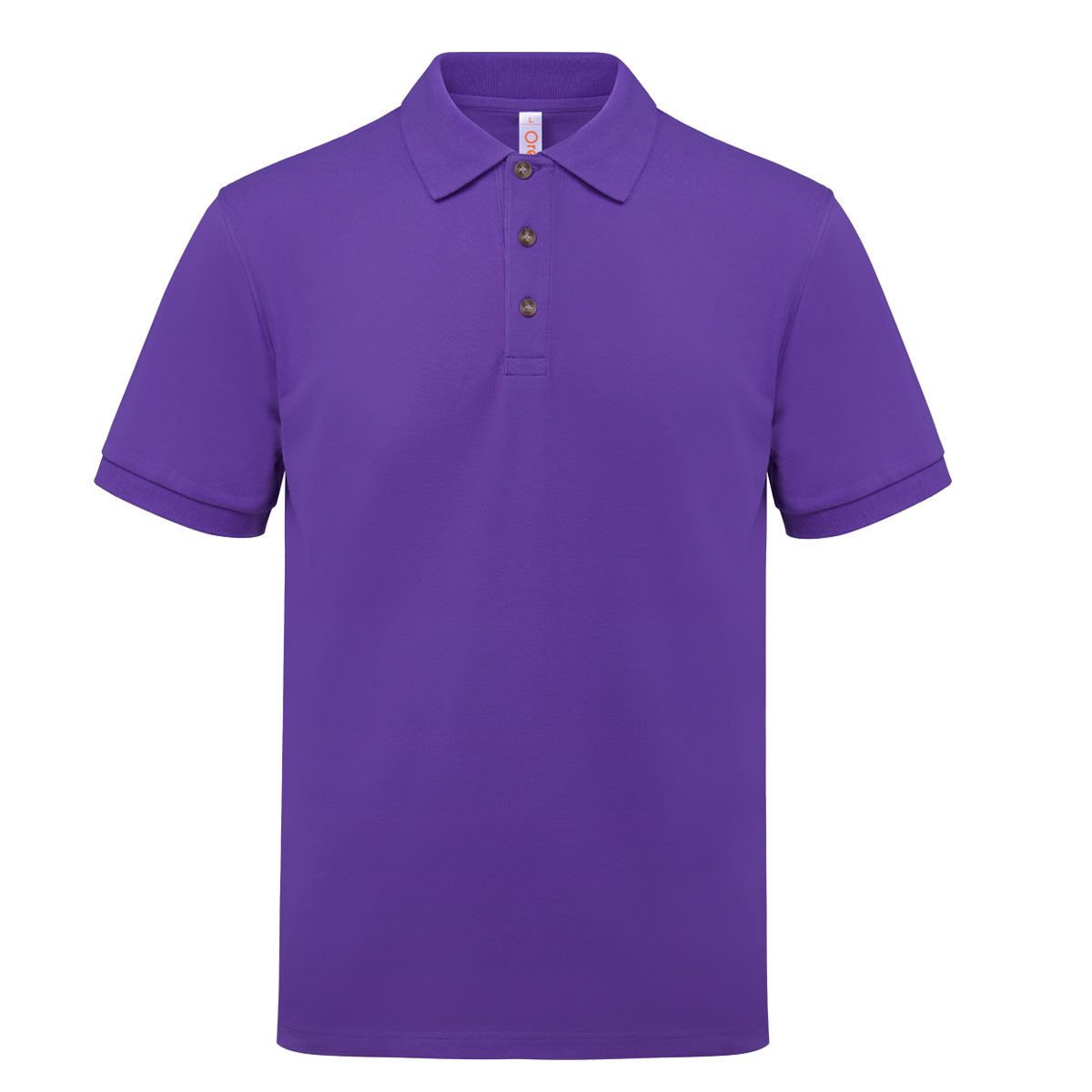
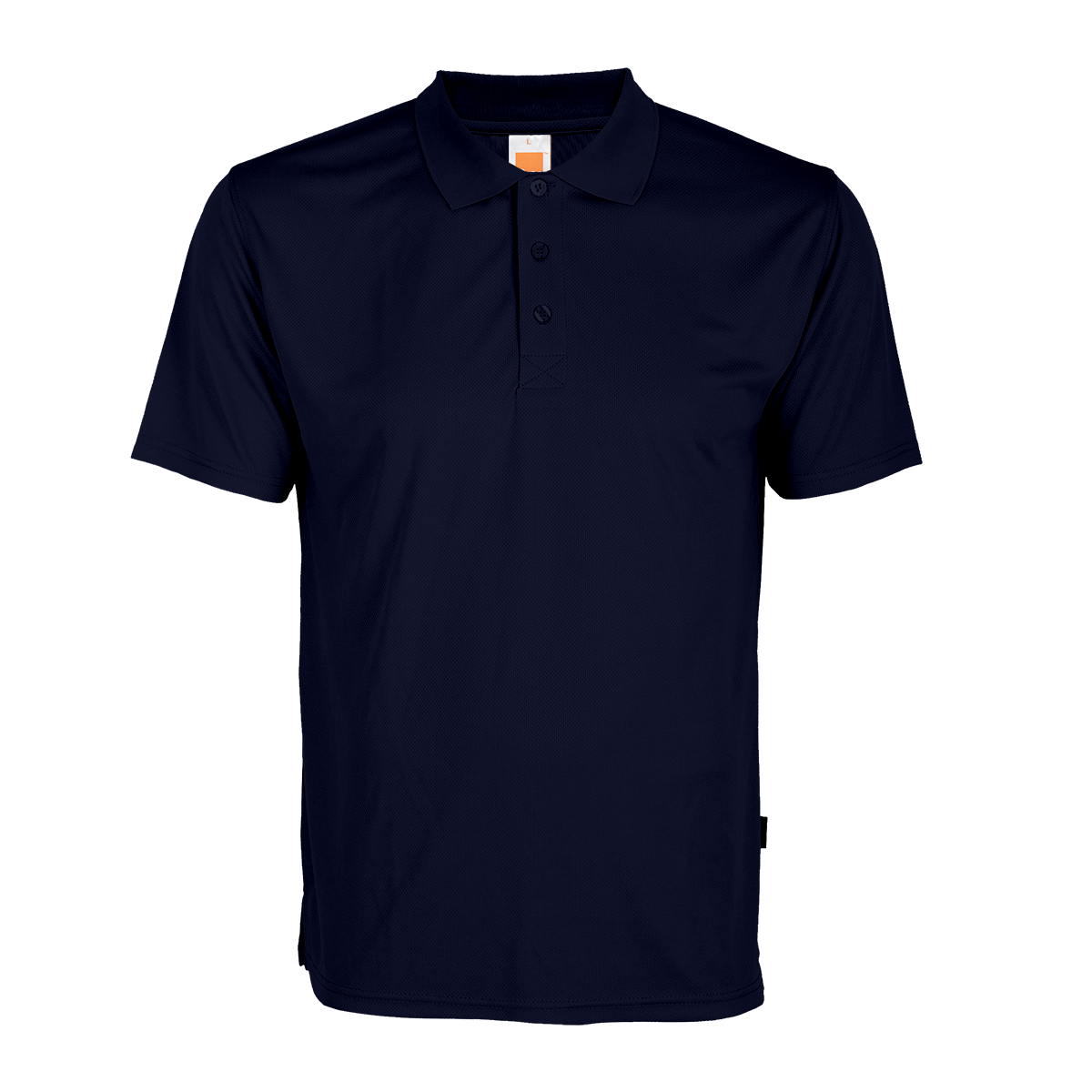
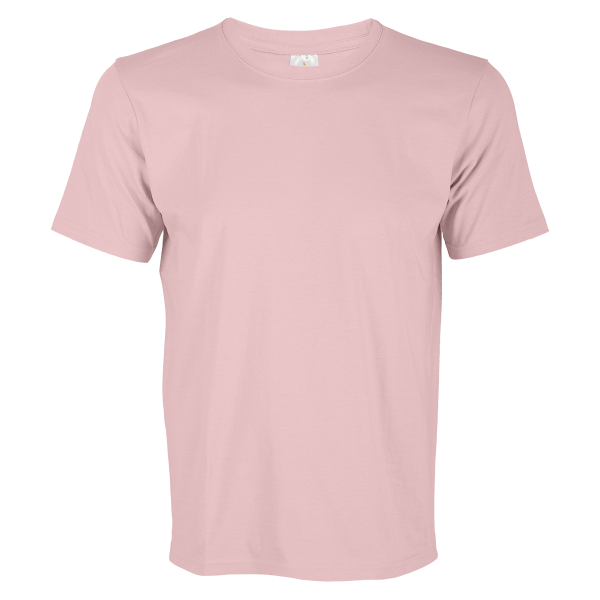
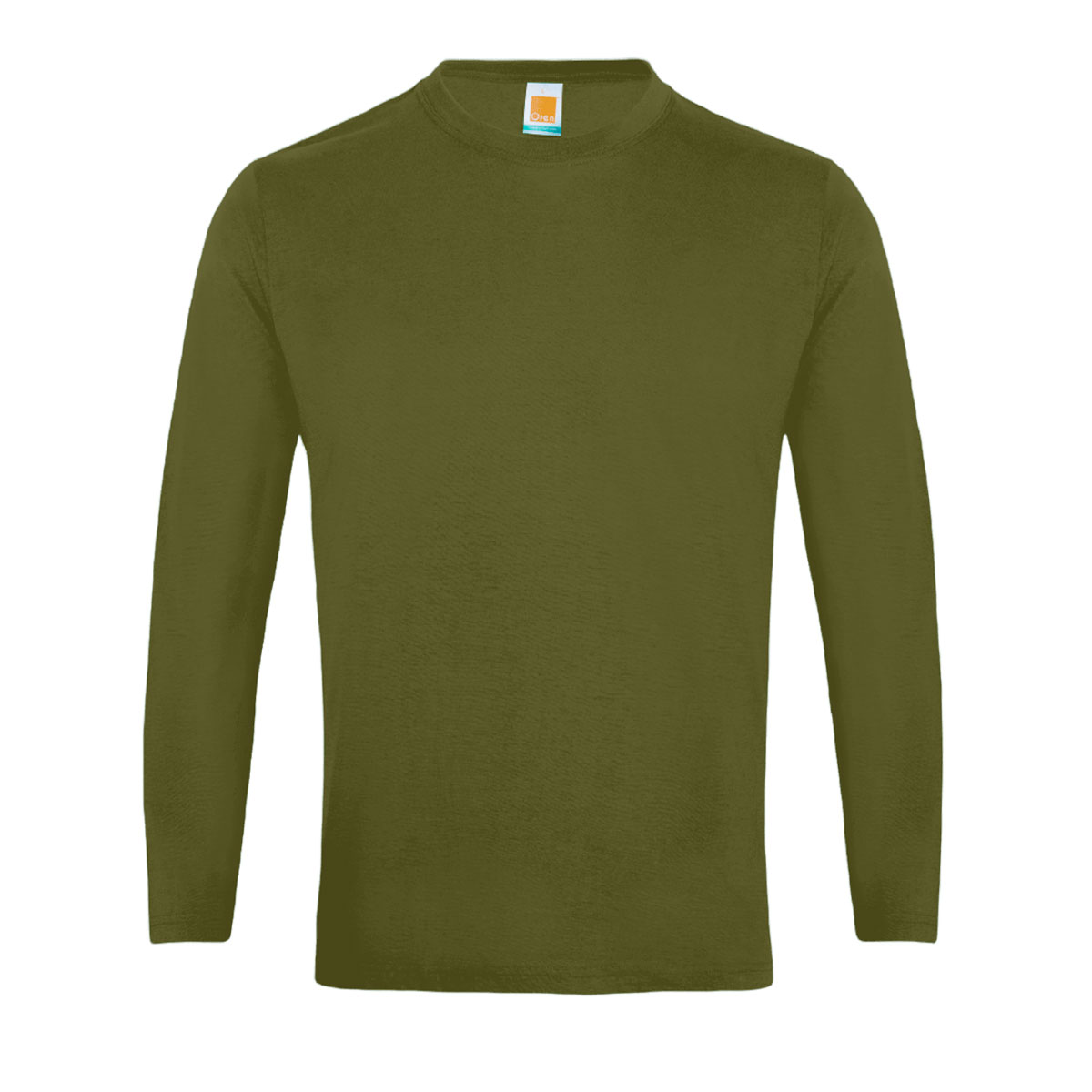
Embroidery stitches a design into fabric using thread. It is particularly effective for logos that need a textured, professional appearance.
Embroidery can give uniforms and team apparel a polished finish. Well-executed stitching on a suitable garment can stand up well to regular use.
Very small text, delicate lines and gradients do not always translate well into thread. Artwork may need to be simplified, and larger designs can increase cost through higher stitch counts.
Lightweight fabrics may also need careful stabilisation to prevent puckering.
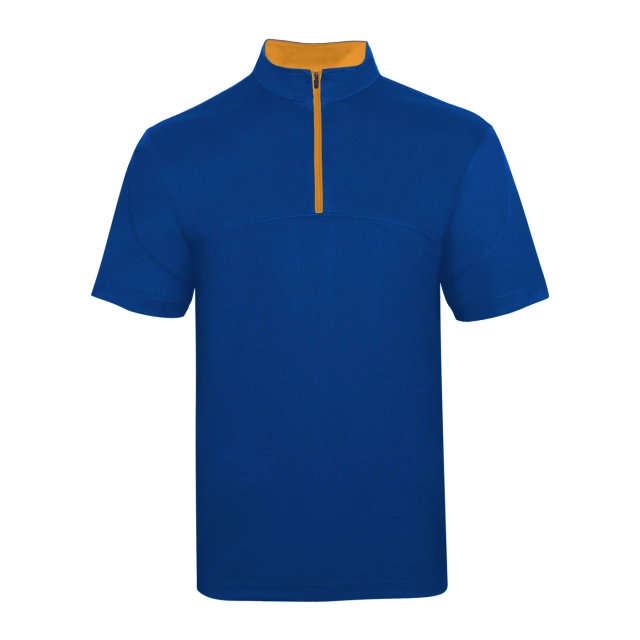
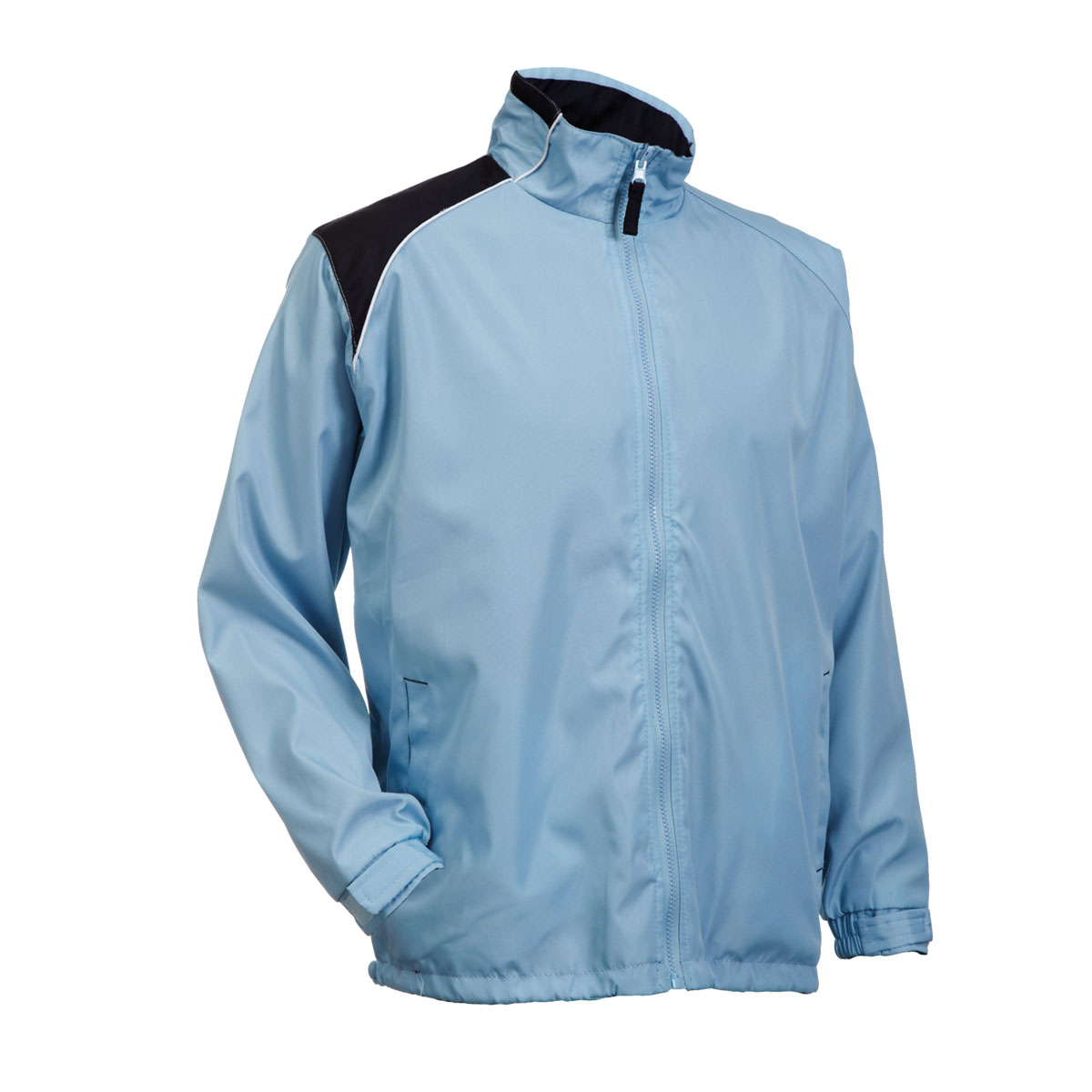
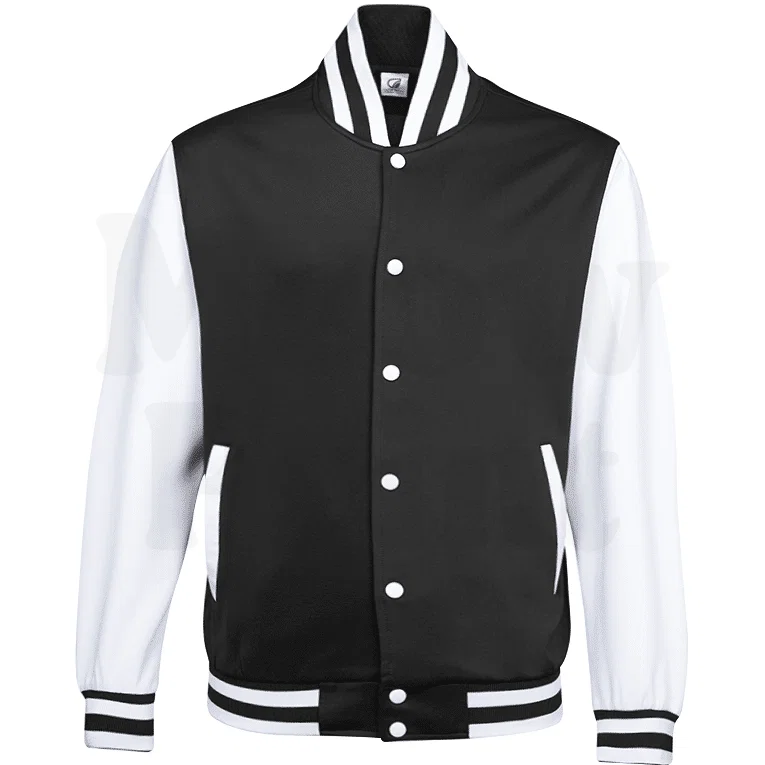
Best choice: A clear company logo on polo shirts, jackets or caps.
Upgrade idea: Invest in a better-fitting garment and keep the embroidery proportionate. Comfortable apparel is more likely to be worn beyond a single company event.
Debossing presses a design into a compatible surface, leaving a recessed impression. Foil stamping applies a decorative foil using a die and, commonly, heat and pressure.
Debossing offers subtle branding, while foil stamping adds a contrasting metallic or coloured finish. Both can work well for gifts intended to feel refined rather than promotional.
Material suitability is essential. Surface texture, coatings and fine artwork can affect the result. Dies and other setup requirements may also influence the economics of smaller orders.
Best choice: Minimal logos on executive stationery or premium packaging.
Upgrade idea: Coordinate the notebook, pen and presentation box into one gift set. A consistent finish can make the entire package feel more thoughtful.
Before confirming an order, work through these five questions.
Start with the material—not the preferred printing technique.
Fabric, metal, plastic, wood and coated surfaces behave differently. Even two products that look similar may require different branding methods because of their finishes.
A simple logo with solid colours offers different options from a photograph or gradient-heavy illustration.
If your artwork contains tiny text or fine lines, ask whether it needs to be adapted for the chosen print size.
Daily-use drinkware, washable apparel and frequently handled accessories need branding that suits those conditions.
Discuss realistic care expectations rather than relying on broad claims such as “permanent” or “scratch-proof”.
Some methods involve screens, plates, dies or artwork digitisation. Others have a different balance of setup and per-unit costs.
Compare the total cost for your actual quantity, artwork and print positions—not just the advertised starting price.
For a colourful event giveaway, visibility may be the priority. For a client appreciation gift, subtle branding and personalisation may be more appropriate.
The best corporate gift printing method is the one that suits the product, the design and the recipient—not necessarily the most expensive option.
A small image copied from a website may not produce a sharp result. Provide vector artwork where requested, and confirm requirements for photographic designs separately.
Bigger is not always better. Discreet branding can make a gift more appealing for everyday use, particularly on premium products.
A technique should be selected around the actual material and surface. Confirm compatibility before committing.
Check logo size, placement, spelling and colours. A digital mock-up helps with layout, but it cannot fully demonstrate texture, colour accuracy or durability.
For important orders, ask whether a physical sample is available and what it costs.
Packaging shapes the first impression. A suitable presentation box or gift message can add value without requiring more prominent branding on the product itself.
Choosing the right printing method is easier when you can evaluate the product and branding together.
Gift Monster offers corporate gifts and promotional merchandise in Singapore, with customisation options that include silkscreen, UV printing, DTF, laser engraving and embroidery. Availability depends on the product and the proposed artwork
Rather than ordering a standard item with the largest possible logo, consider a more thoughtful upgrade:
There is no universal best method. Silkscreen printing is often suitable for simple logos and larger orders, UV printing can suit colourful designs on compatible hard surfaces, and DTF can reproduce detailed artwork on suitable textiles. Engraving and embroidery are useful alternatives for a more understated or textured finish.
It depends on the quantity, material, artwork, print size and number of positions. A simple screen-printed design may be economical at volume, while another process may offer better value for a smaller or more complex order. Compare like-for-like quotations.
Often, yes—but the available process depends on the product. UV printing, DTF and sublimation can reproduce full-colour artwork on compatible materials. Confirm the specific product’s options before finalising your design.
Laser engraving can be an excellent choice for durable, subtle branding on compatible materials. Printing is generally more appropriate when reproducing specific brand colours is important. The better option depends on the desired appearance and intended use.
Gift Monster requests high-resolution vector artwork in AI, EPS or PDF format, along with Pantone Solid Coated colour codes for the logo. Ensure the file actually contains vector artwork; saving a low-resolution image as a PDF does not improve its quality
Lead times vary by product, quantity, branding method, artwork approval and stock availability. Gift Monster states that estimated lead times can be checked by selecting the product, quantity and print method on its website, or by contacting its team








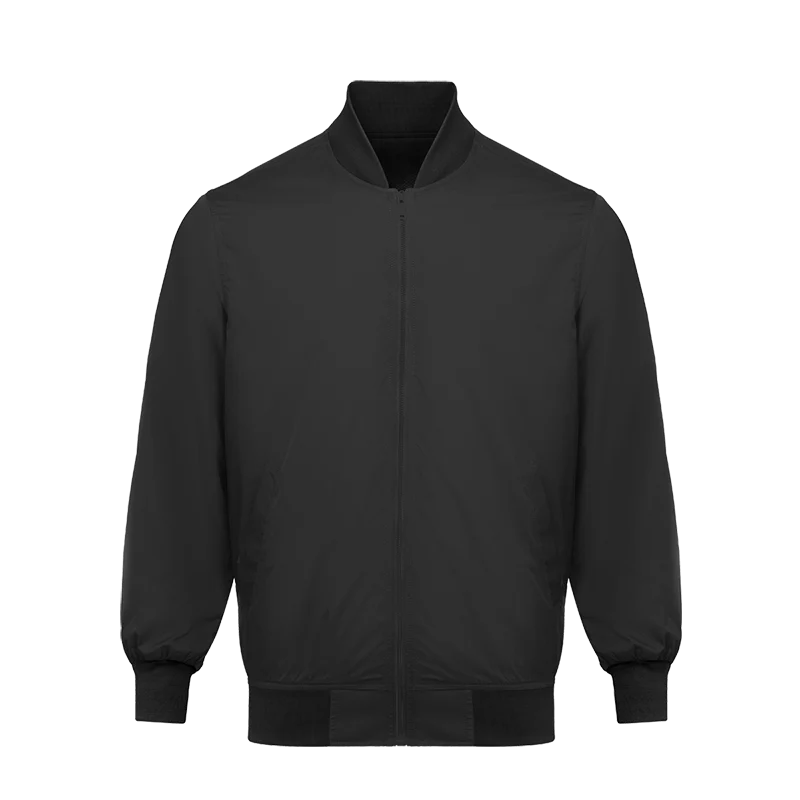
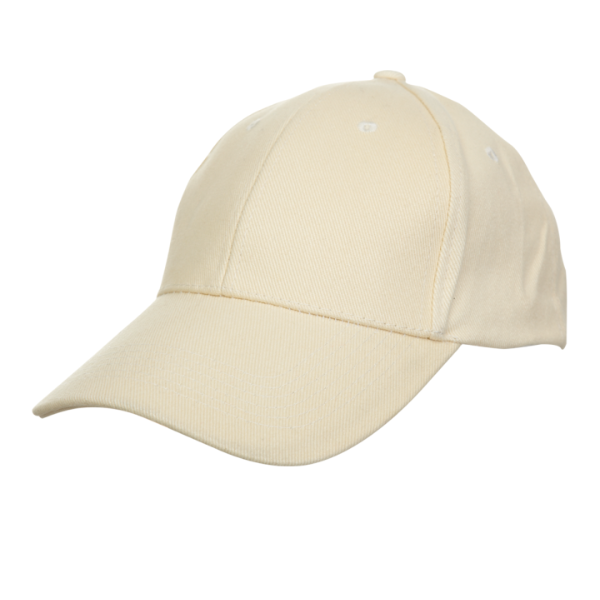

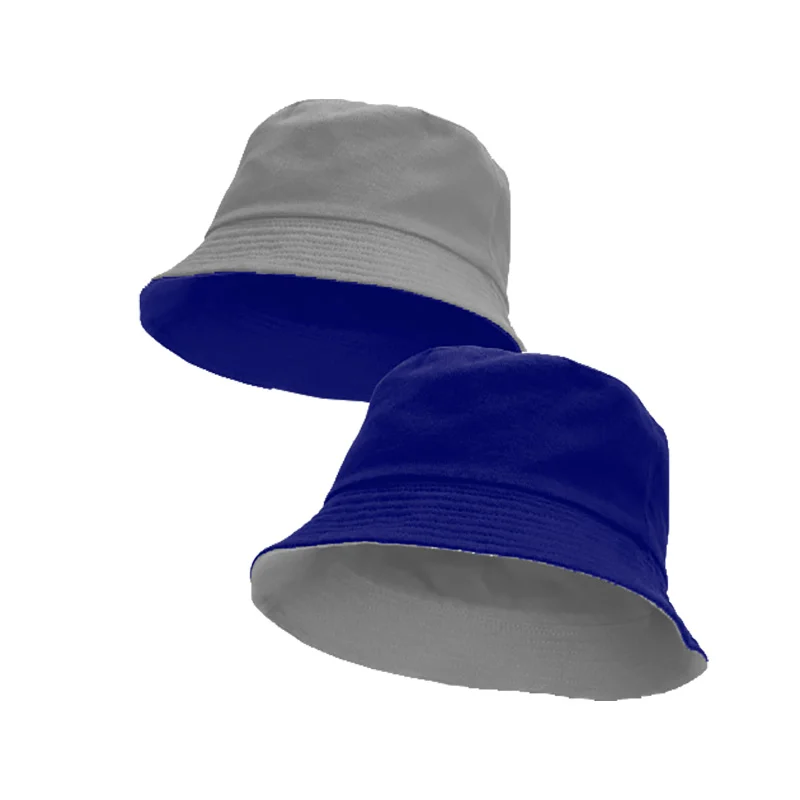
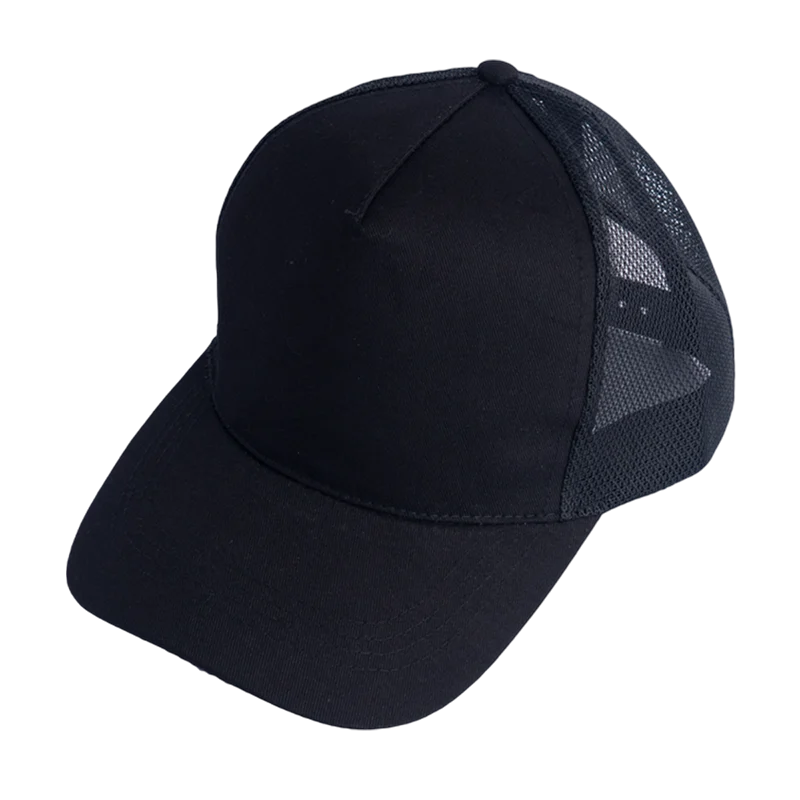









 Apparel
 Bags
Bags Stationery
 Drinkware
 Lifestyle
 Tech
Tech Eco-Friendly