Frequently Asked Questions

Share the event name, medal shape, dimensions, quantity and artwork for each side. Specify your preferred finish, ribbon design and whether individual names or award categories are needed. Custom moulds, raised details and individual engraving affect the quotation and production schedule, so confirm these before approving the design.

Start with the character or brand concept, intended display size and number of design variants. For blind boxes, specify the quantity of each variant and how the boxes should conceal the contents. For displays and collectibles, include reference views, base requirements and packaging dimensions so construction and costing can be assessed.

Embroidered patches give designs a textured finish, while woven or printed options can suit finer details, depending on the design. Specify the patch size, border and intended attachment method, such as sewing, iron-on or hook-and-loop. Check the backing against the garment or bag material before choosing.

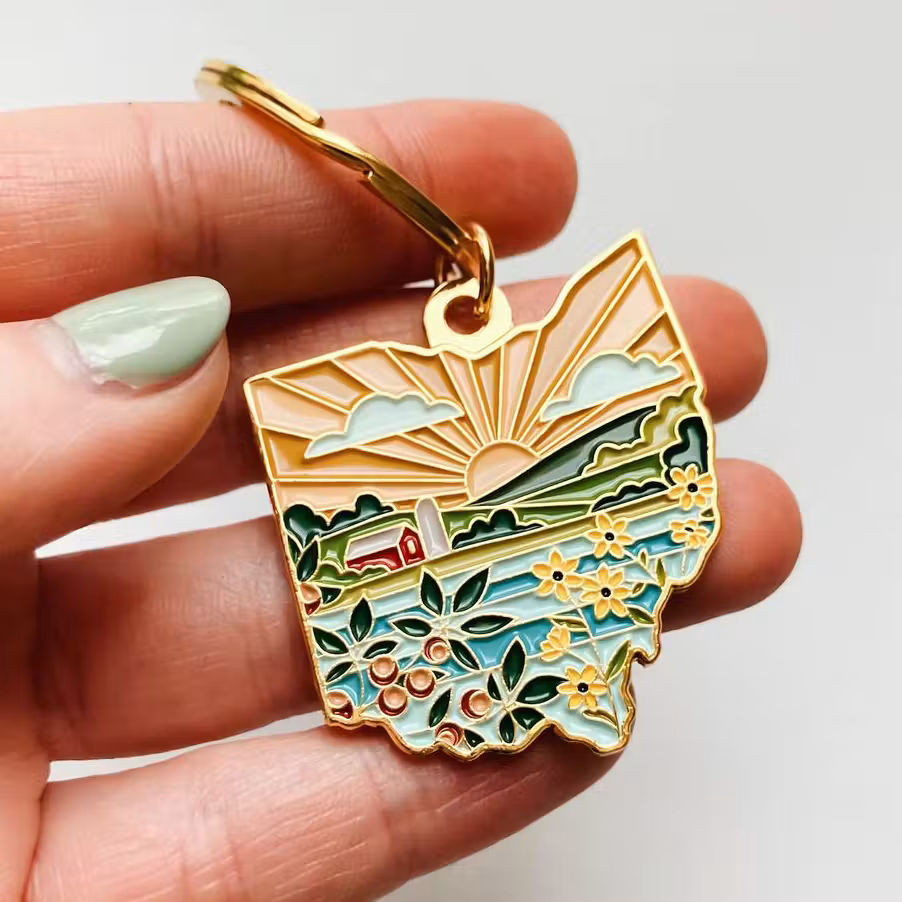
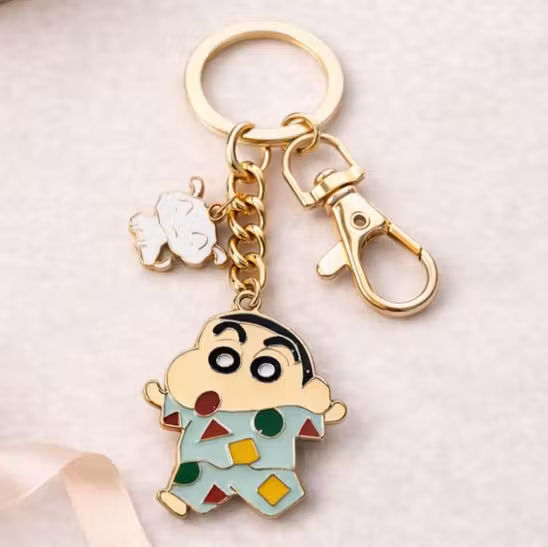
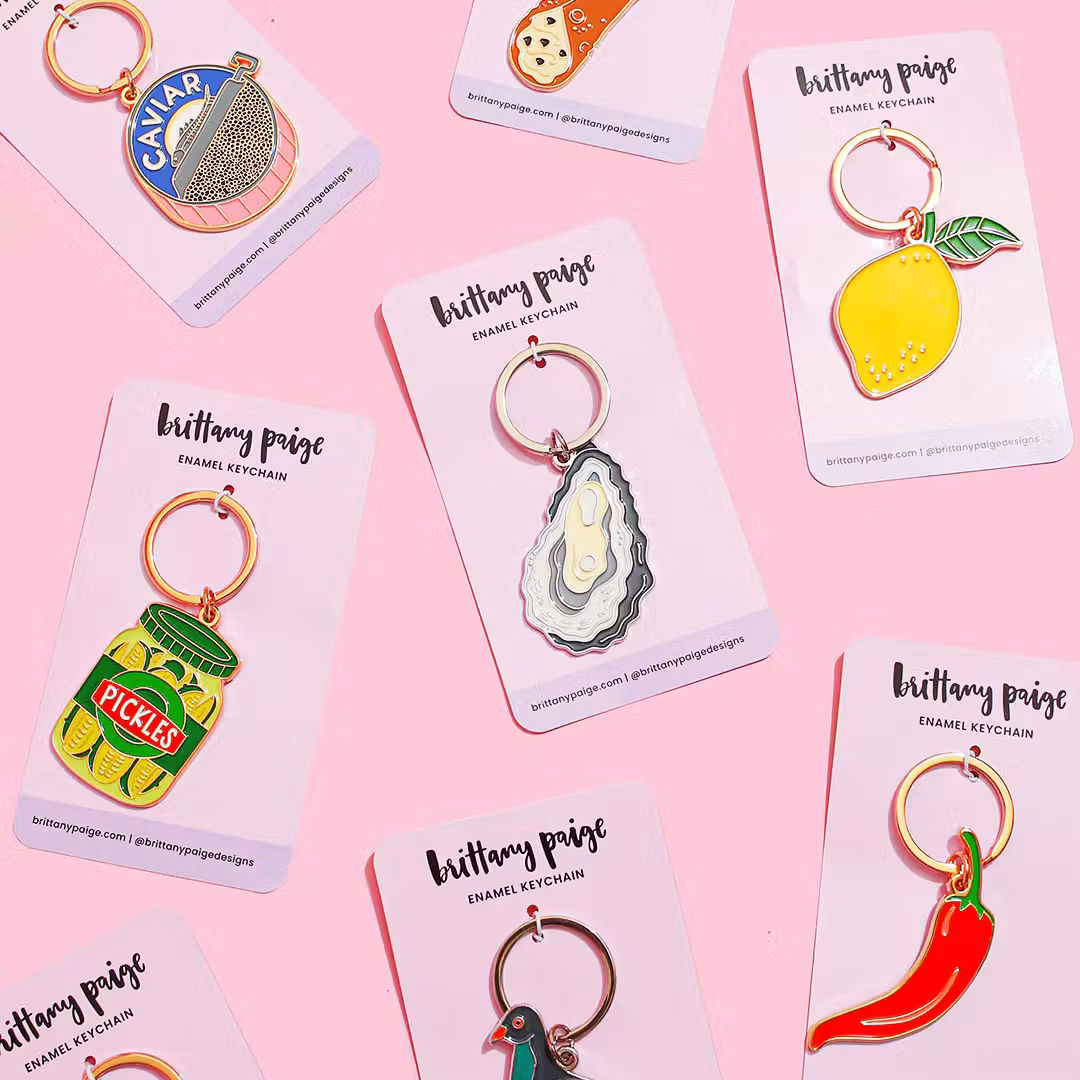
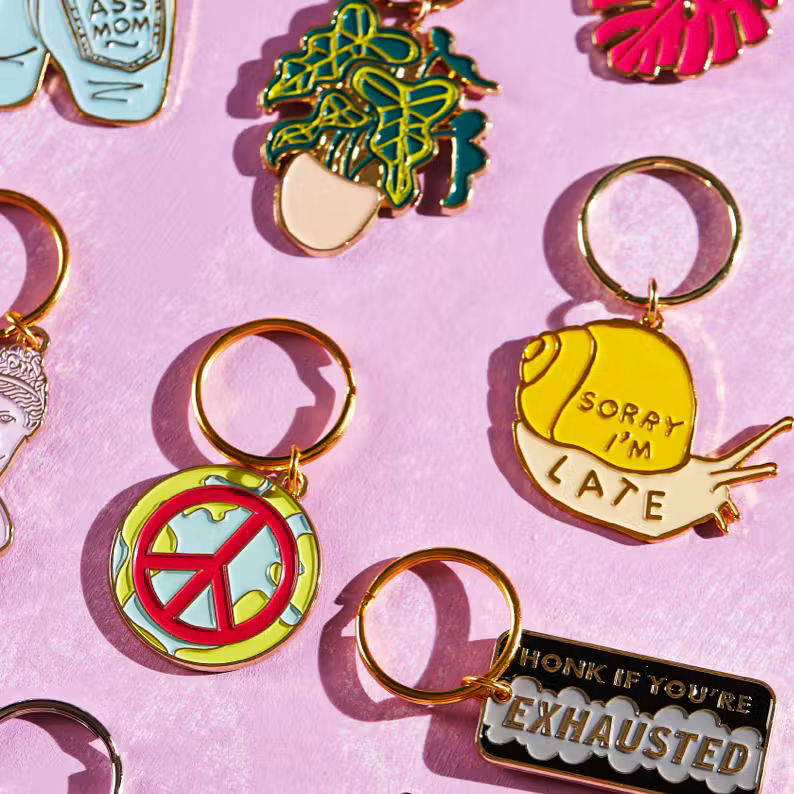
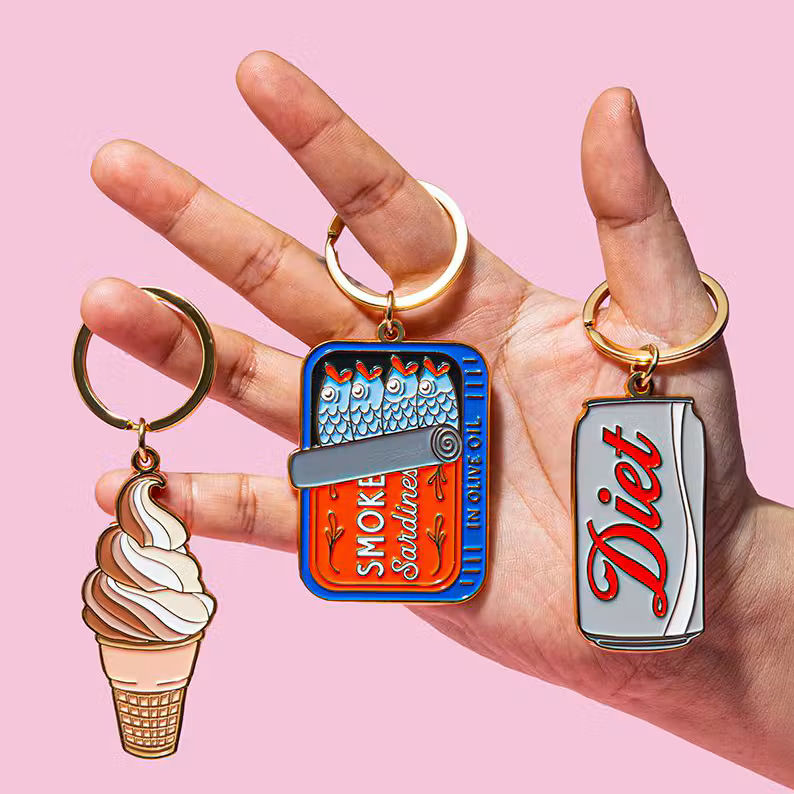
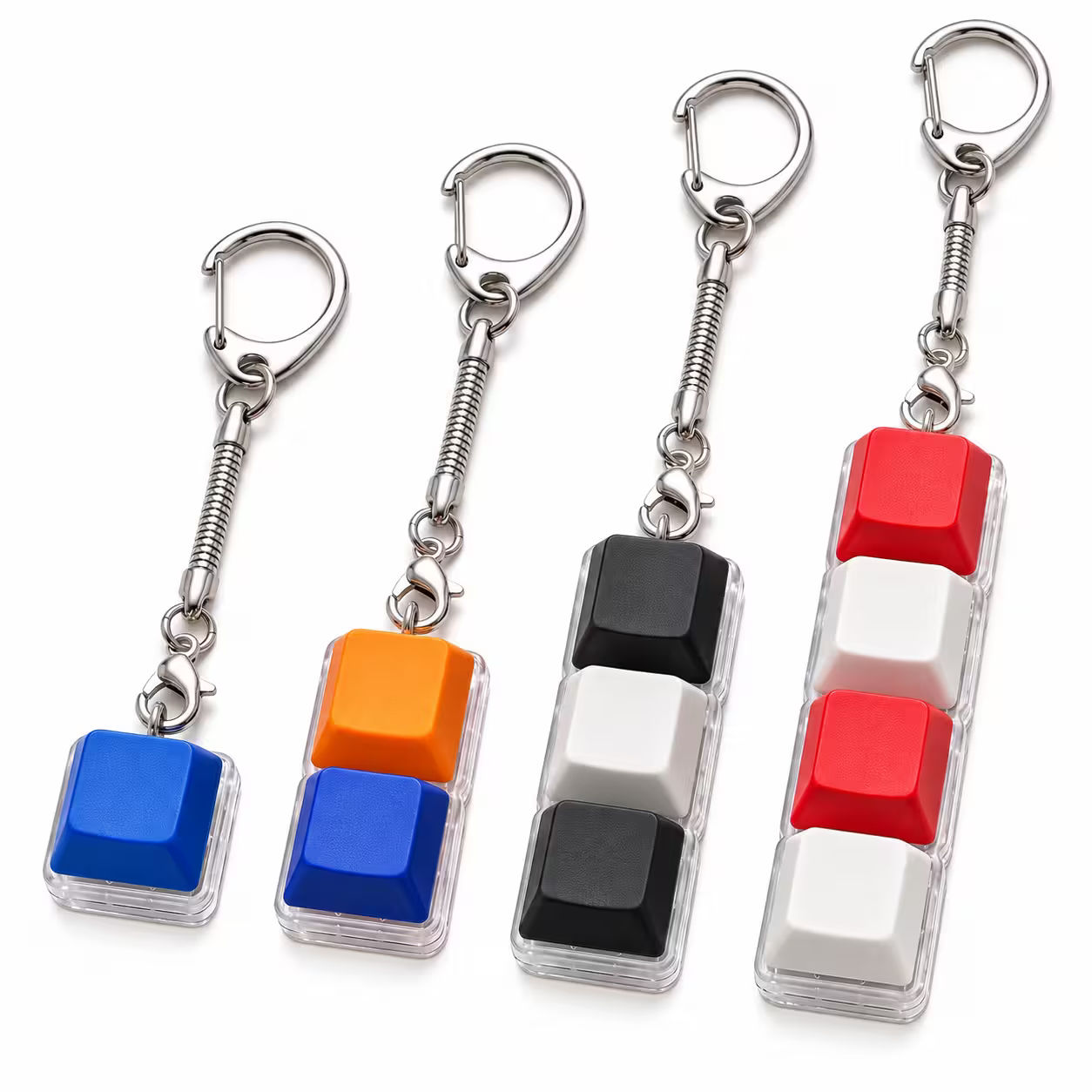
Provide the intended dimensions, material, shape and attachment type. A nano backpack may be a miniature pouch rather than a functional backpack, so state what it needs to hold. For keychains and bag charms, check the weight, clasp and artwork area, especially when using a detailed mascot design.

Match a can cooler to the actual can or bottle dimensions; drink containers with similar capacities can have different shapes. For coasters, compare the surface material, base grip and available print area. Check care instructions and any heat or moisture limitations for the chosen model before ordering.

For portable torch lights and clocks, confirm the power source, battery inclusion and operating features. For card-sized tools, measuring instruments and tool kits, specify the functions and measurement units you need. Check dimensions and usability as well as the branding area; a compact format does not guarantee every tool function.

Stress balls offer a squeezable format, while fidget gadgets and other playthings may use clicking, spinning or puzzle actions. Consider the audience, sound level, moving parts and available logo space. If the giveaway is intended for children, confirm the stated age suitability and product information for the exact item.

Use a clear logo and short message that remain readable across the usable surface. For handheld promotional fans, keep key details away from handles and folds. For party supplies, specify each item, finished size and whether designs need to match across the set, then check any cutting or folding guides before approval.

Confirm the sweet type or flavour, pack size, ingredients, allergen information, expiry date and storage instructions for the selected product. Clarify whether branding is applied to an outer sleeve, tin or wrapper. Keep required product information readable and plan delivery and distribution around the stated shelf life.

Provide the finished dimensions, artwork and any custom cutting outline. For stickers and decals, specify the intended surface and whether they will be used indoors or outdoors so the adhesive and finish can be checked. For greeting cards, include the fold, message, print sides and envelope requirements.

Choose the intended use first: a display magnet, wearable pin or collar pin needs a different attachment. Specify the shape, size, finish and backing, and check how fine lettering will reproduce. Confirm that a display magnet suits the intended surface and that wearable pin fastenings suit the garment.

For screen cleaners, check the intended screen surfaces and cleaning method. For sanitary or tissue accessories, confirm the pack dimensions, refill arrangement and which contents are included. For card cases, check internal capacity and closure type. Do not assume cleaning, antibacterial or RFID-blocking features unless the specific product information supports them.