Yes — corporate gifts can be tax-deductible in Singapore, but only when they satisfy specific conditions set by the Inland Revenue Authority of Singapore (IRAS). The distinction that trips most companies up is the line between a legitimate “business expense” and a “taxable benefit.” Getting it wrong means disallowed deductions, unexpected GST output tax, and potential audit exposure.
This article is for general information only and does not constitute tax or legal advice. Consult a qualified tax professional for advice specific to your business.
The golden rule: “wholly and exclusively”
Under the Income Tax Act 1947, a corporate gift is deductible only if the expense is incurred wholly and exclusively for the production of income. This means the gift must serve a genuine business purpose — client retention, staff welfare, brand promotion — and must not be personal or capital in nature.
IRAS applies a S$200 limit per recipient per occasion for both the employee gift concession and the GST “deemed supply” rule. Staying at or below this figure simplifies compliance significantly.
Two taxes to navigate: income tax & GST
1 — Income tax deductibility (corporate expense)
Generally deductible
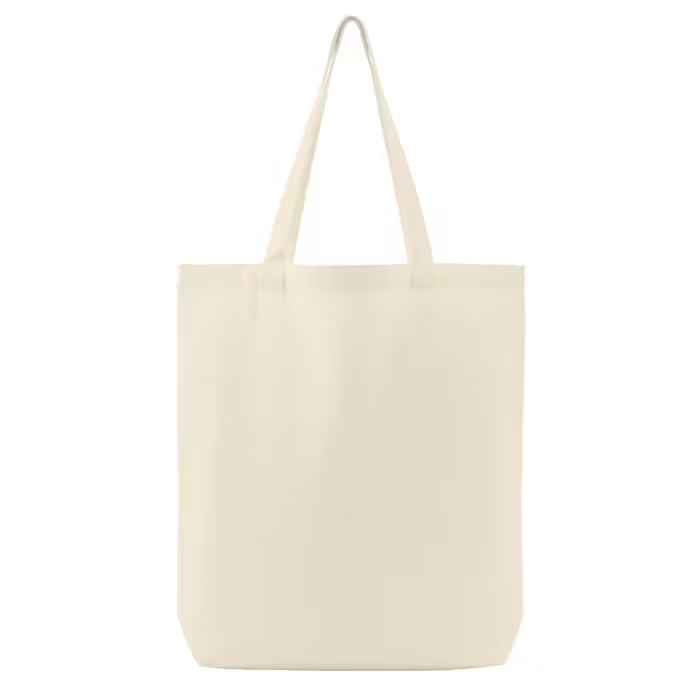
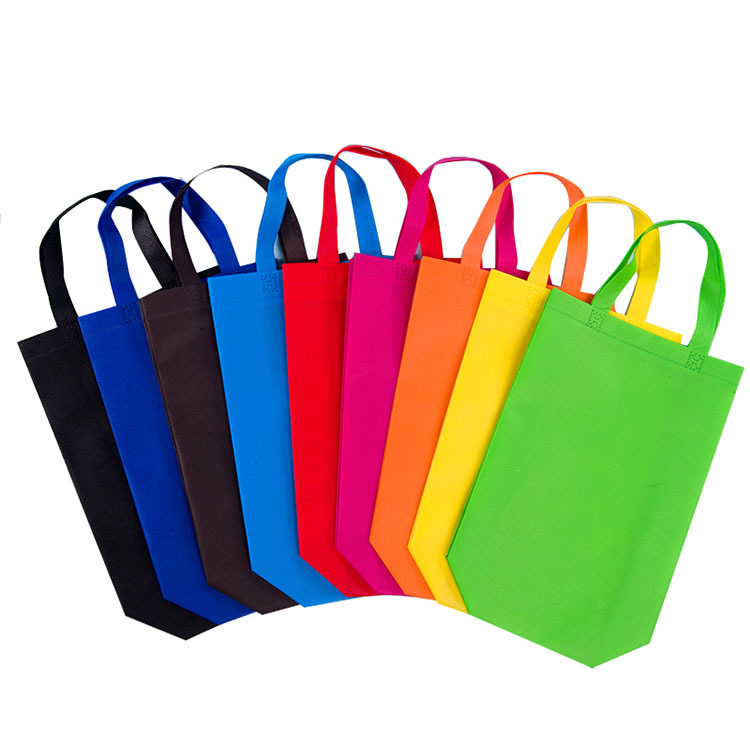
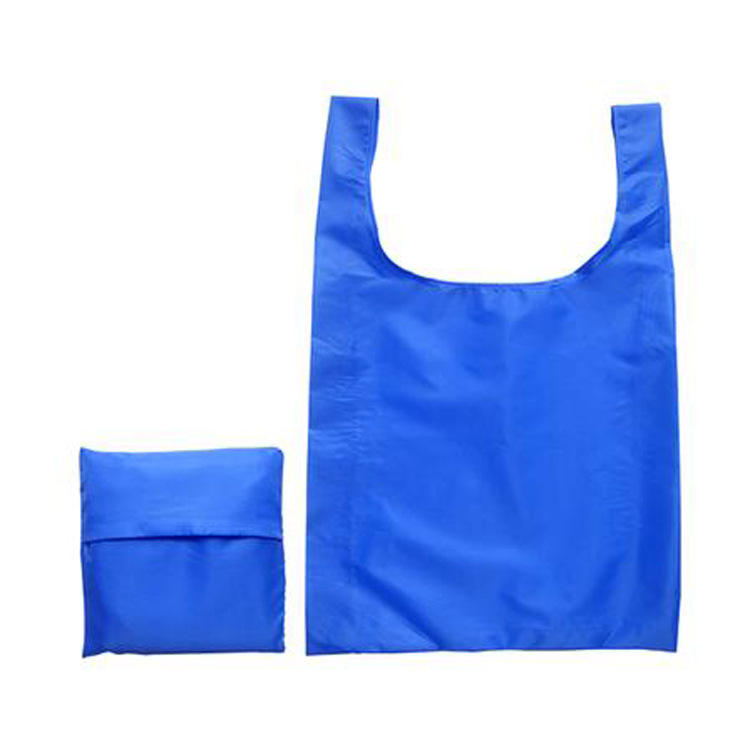
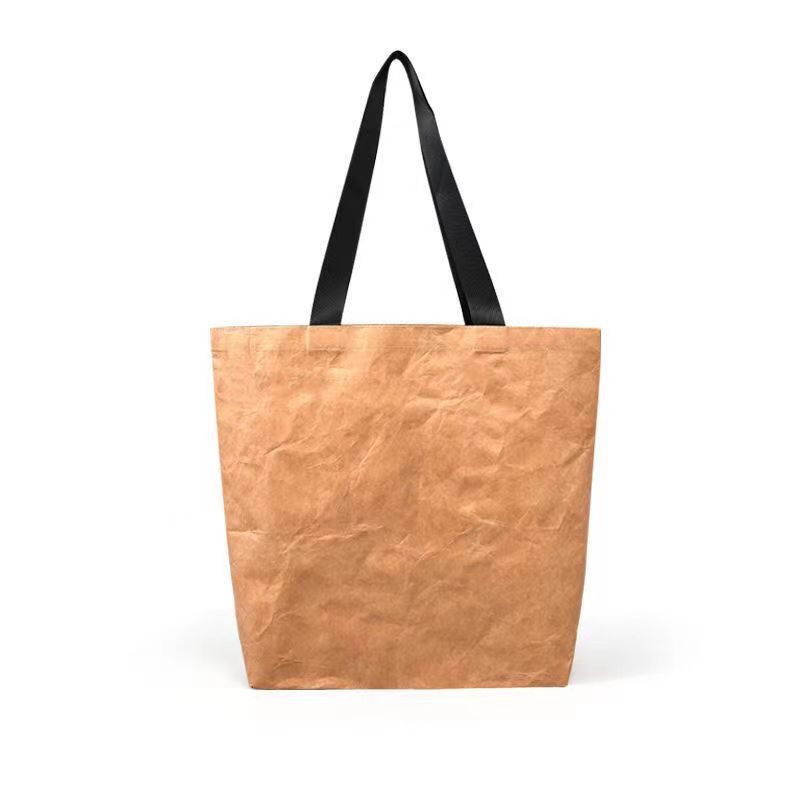
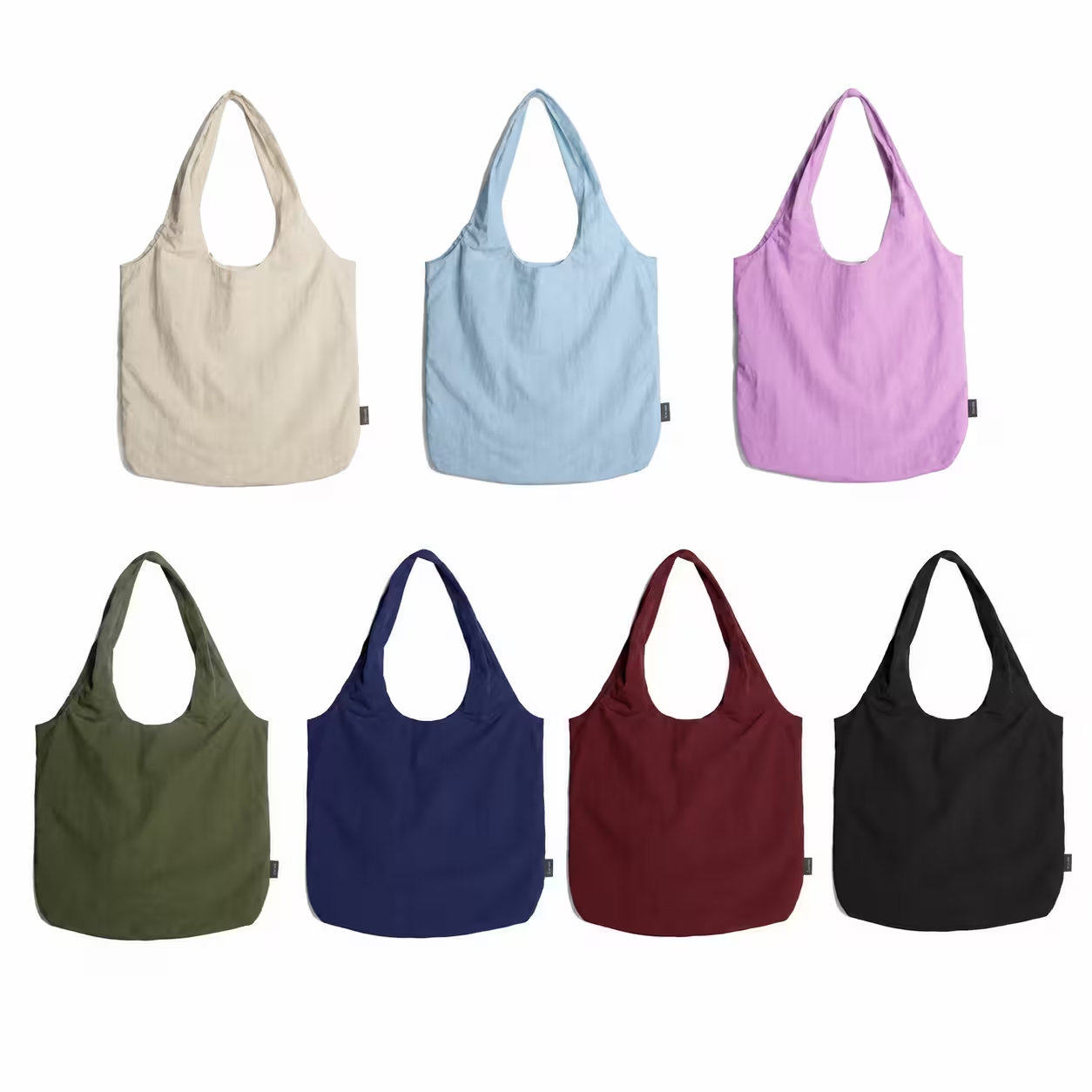
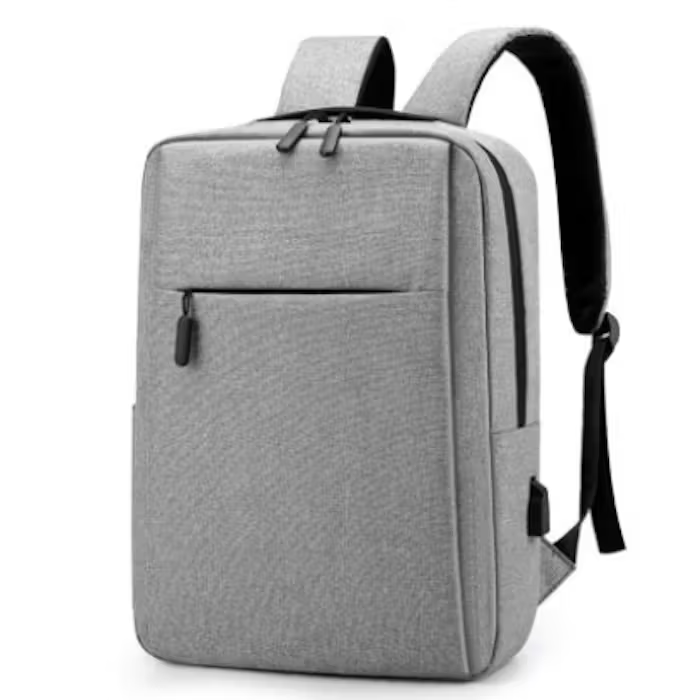
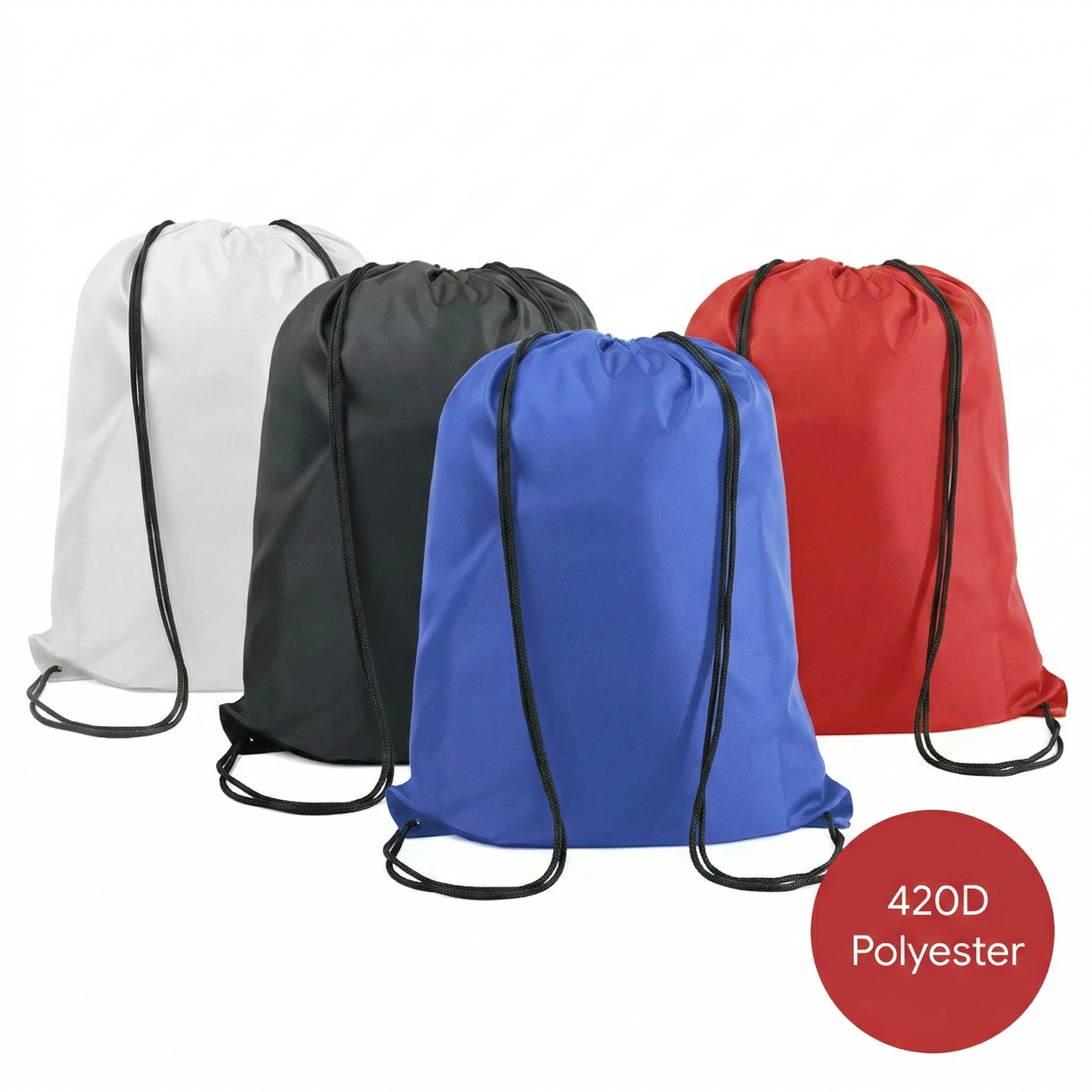
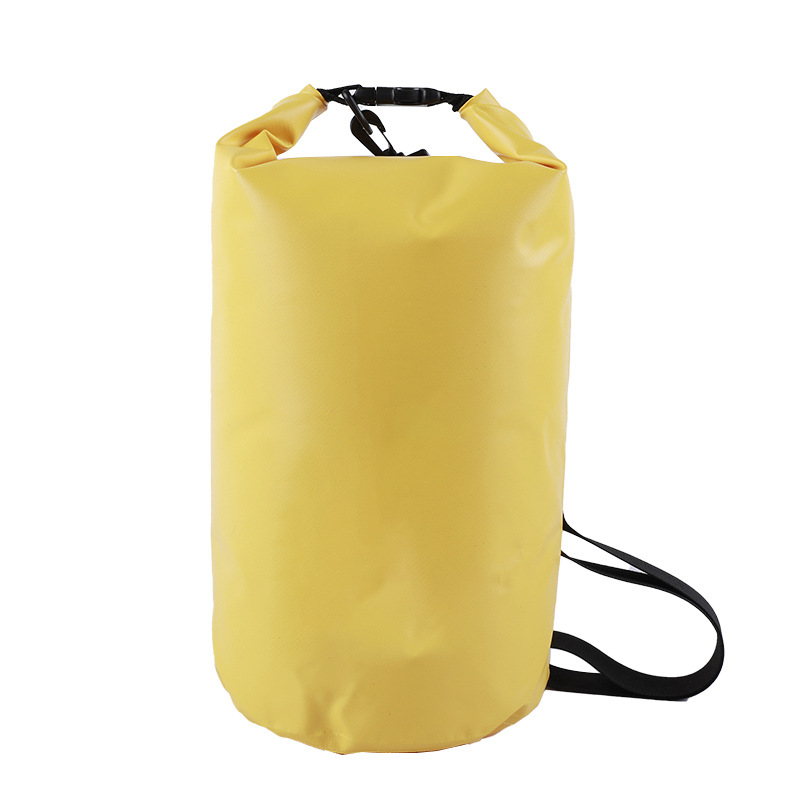
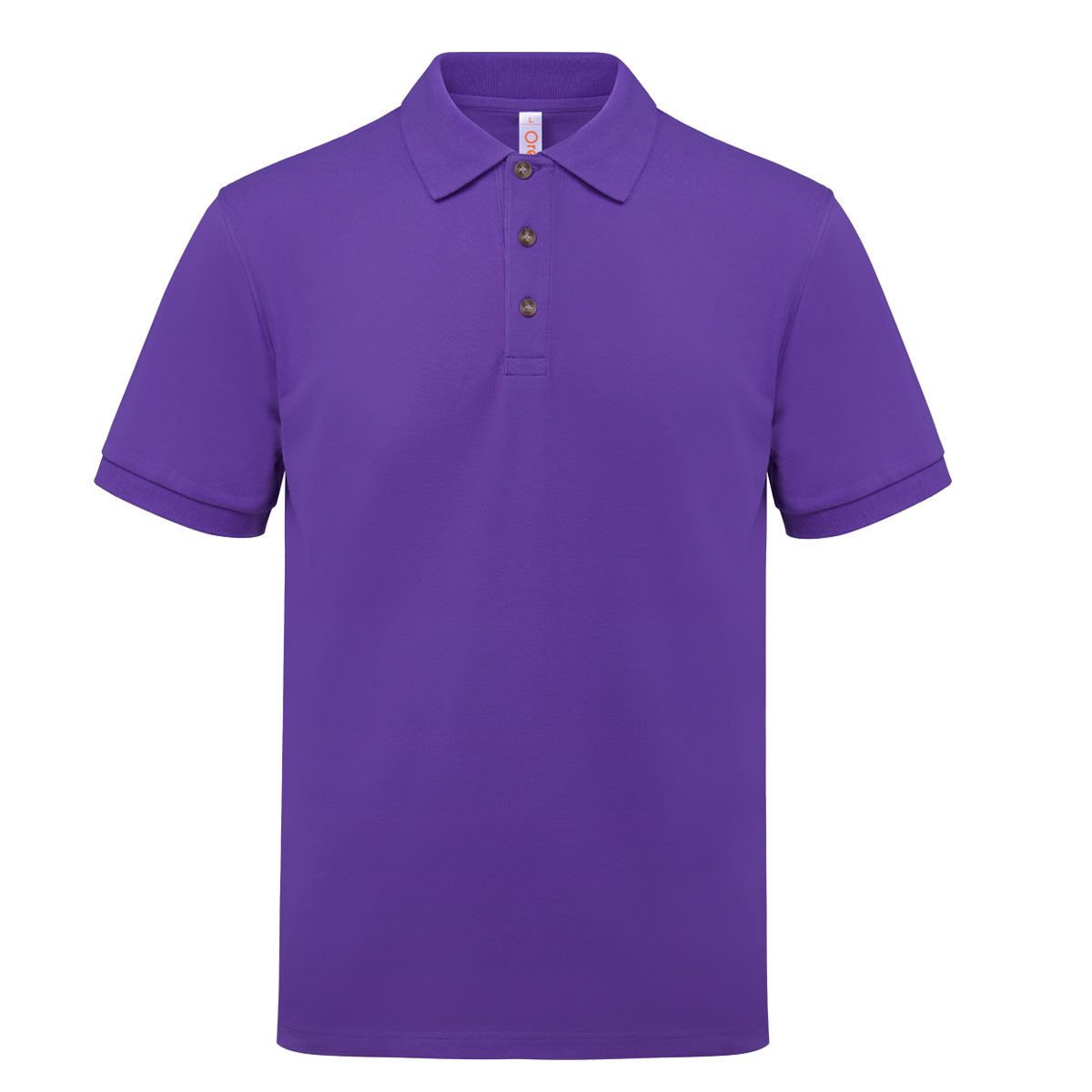
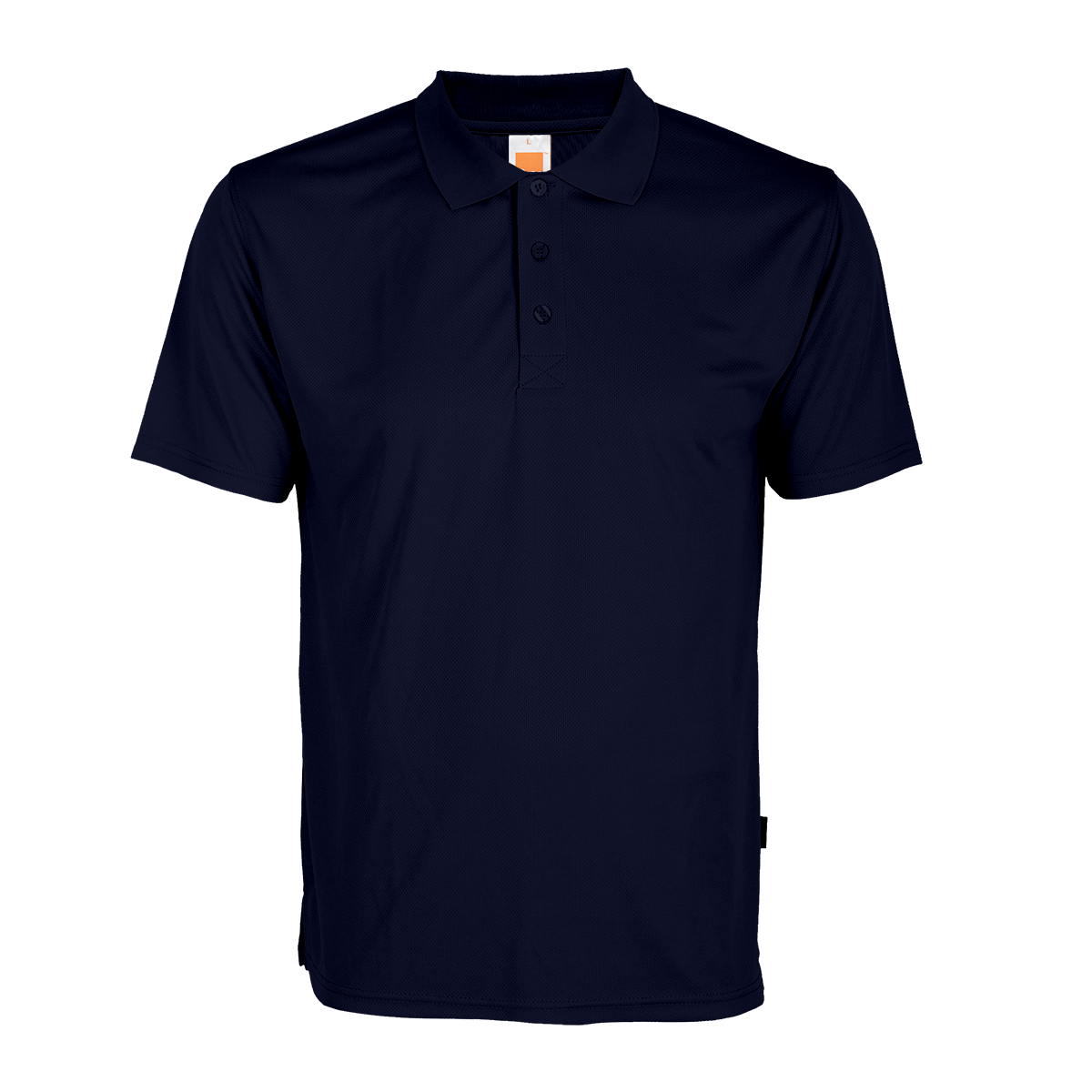
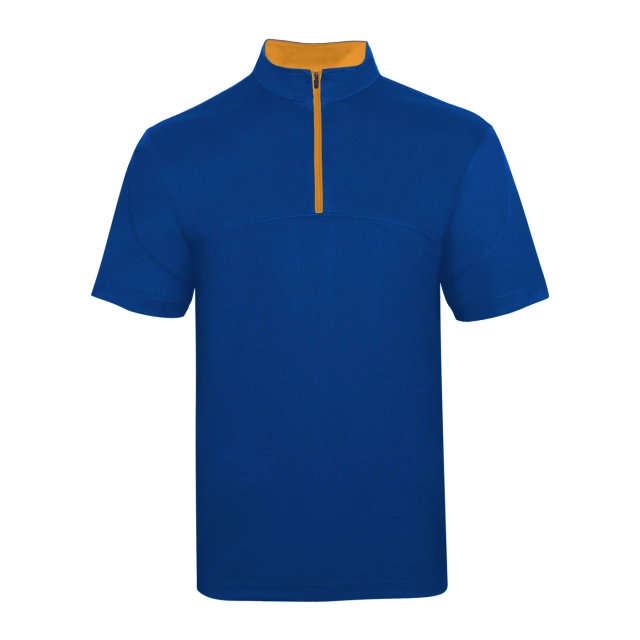
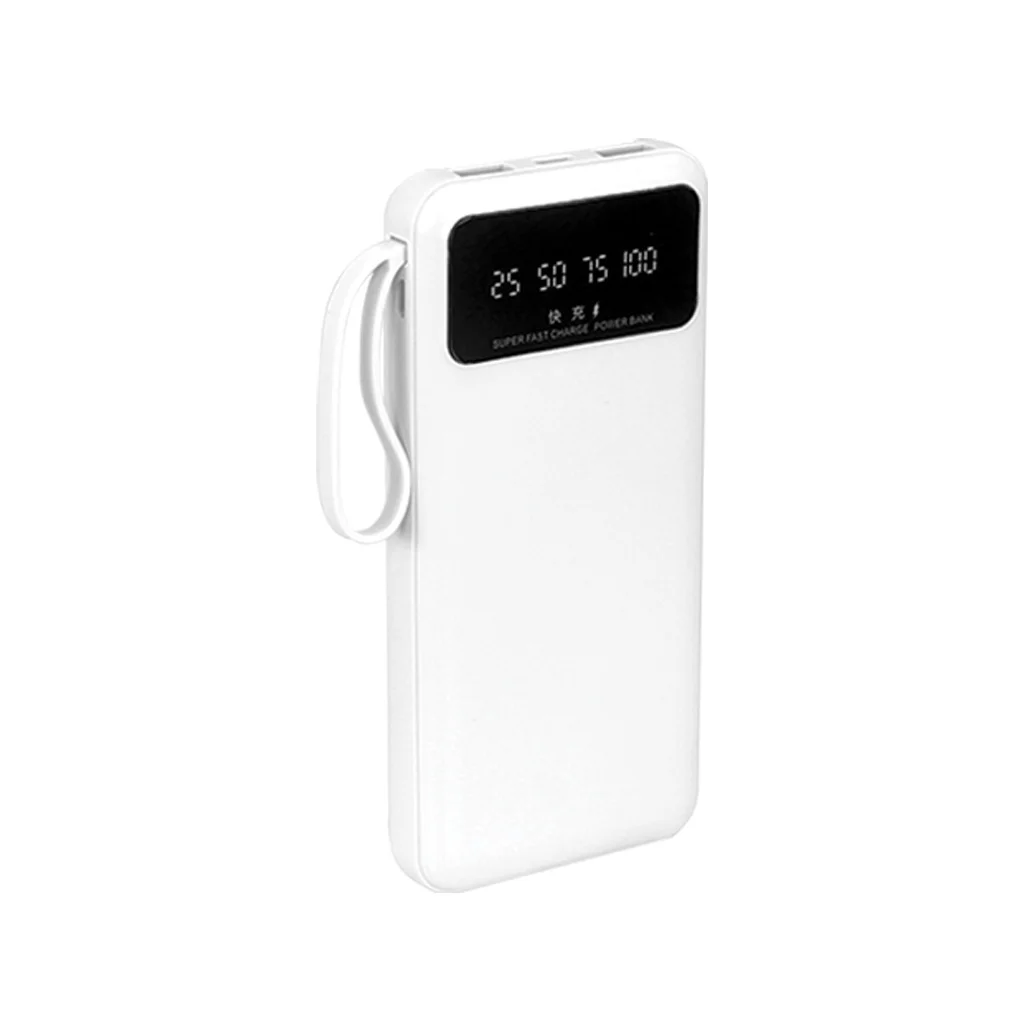
- Branded promotional merchandise (pens, tote bags, power banks)
- Client gifts directly tied to a business relationship
- Staff welfare gifts distributed company-wide (e.g. festive hampers)
- Gifts at trade shows or product launches
Generally not deductible
- Personal gifts to directors (e.g. wedding presents)
- Luxury items with no branding or business link
- Gifts classified as “entertainment expenses”
- Gifts of a capital nature
2 — GST deemed supply rules
If you are GST-registered and claimed input tax when purchasing the gift, giving it away for free is treated as a “deemed supply.” You must account for output GST based on Open Market Value (OMV) if the gift exceeds S$200 per recipient per occasion.
IRAS Example (direct from iras.gov.sg)
A company gives two hampers to different departments of the same customer on the same occasion — S$150 each, totalling S$300. Because both hampers go to the same recipient (the customer company) for the same occasion, the total exceeds S$200. If input tax was claimed, output GST of 9% on S$300 must be accounted for.
Simple escape hatch: do not claim the input GST on gifts you intend to give away. In that case, no output tax is owed regardless of value.
Employee gifts: the S$200 concession
IRAS provides an administrative concession for non-cash gifts to employees on special occasions (Chinese New Year, Christmas, Deepavali, birthdays, weddings, newborns).
Not taxable for employees
- Non-cash gifts ≤ S$200 per occasion
- Birthday, festive, or life-event gifts within the threshold
- Company-wide welfare gifts (fruit baskets, etc.)
Taxable as employment income
- Cash or cash vouchers (NTUC, Grab, Takashimaya) — always taxable, any amount
- Any gift exceeding S$200 — full value is taxable, not just the excess
- Performance-linked rewards tied to KPIs or sales targets
Watch out: If a gift exceeds S$200, the entire amount becomes taxable — not just the portion above the threshold. A S$250 baby gift set is fully taxable at S$250, not S$50.
Pro tip: The S$200 threshold is per occasion, not per year. An employee can receive a birthday gift of S$200, a Christmas gift of S$80, and a Hari Raya gift of S$150 in the same year — all non-taxable, since each occasion stays within the limit.
Common deductible scenarios
Chinese New Year client hampers
Hampers sent to different clients individually, each under S$200 in cost. Deductible as a client relations expense; no output GST if each recipient’s total stays ≤ S$200.
Branded merchandise at trade shows
Power banks, tote bags, or notebooks bearing your company logo distributed widely at industry events. Qualifies as advertising & marketing — generally deductible.
Company-wide festive hampers for all staff
Treated as “staff welfare” when given to all employees uniformly. Viewed more favourably than individual performance-based rewards. Keep each hamper ≤ S$200 to avoid BIK reporting.
Welcome gifts for new clients
A branded notebook-and-pen set or desk item given as part of onboarding. Deductible if tied to the business relationship and reasonably priced.
2026 compliance checklist
- Keep a gift register: recipient, occasion, business purpose, cost, date
- Monitor S$200 per-recipient-per-occasion for GST and employee BIK
- Brand promotional gifts with your company logo to support “advertising & marketing” classification
- Avoid cash vouchers for employees — they are fully taxable regardless of amount
- Do not claim input GST on gifts that will exceed S$200 to avoid output tax obligation
- Retain all receipts and invoices for potential IRAS audit
- Consult a tax advisor for high-value or complex gifting programmes
FAQs
Do performance-based rewards count as taxable gifts?
Yes. Even if under S$200, a gift tied to hitting a KPI or sales target is treated as part of employment income. The concession only applies to special occasions, not performance rewards.
Are gifts to company directors treated differently?
Generally yes. Personal gifts to directors (e.g. a wedding present) are typically non-deductible for the company, and substantial gifts may constitute a taxable benefit for the director.
What if I import gifts under the Major Exporter Scheme (MES)?
IRAS treats GST suspended under MES as “input tax claimed.” If the gift exceeds S$200, output tax must still be accounted for even though no actual GST was paid at import.
Can I deduct donations to charities differently?
Yes — qualifying donations to approved Institutions of a Public Character (IPCs) attract a 2.5× tax deduction until 31 December 2029, as extended in Budget 2026. This is separate from the corporate gift rules above.
Gift smarter with Gift Monster
Navigating IRAS rules is easier when your gifts are already designed for compliance. Gift Monster is Singapore’s go-to corporate gifting specialist — helping businesses source branded, tax-friendly gifts that tick every IRAS box, from festive hampers to trade show merchandise and employee appreciation sets.
Whether you’re gifting 10 clients or 1,000 employees, Gift Monster handles the sourcing, branding, and fulfilment — so your team focuses on the relationship, not the logistics.
























 Apparel
 Bags
Bags Stationery
 Drinkware
 Lifestyle
 Tech
Tech Eco-Friendly